
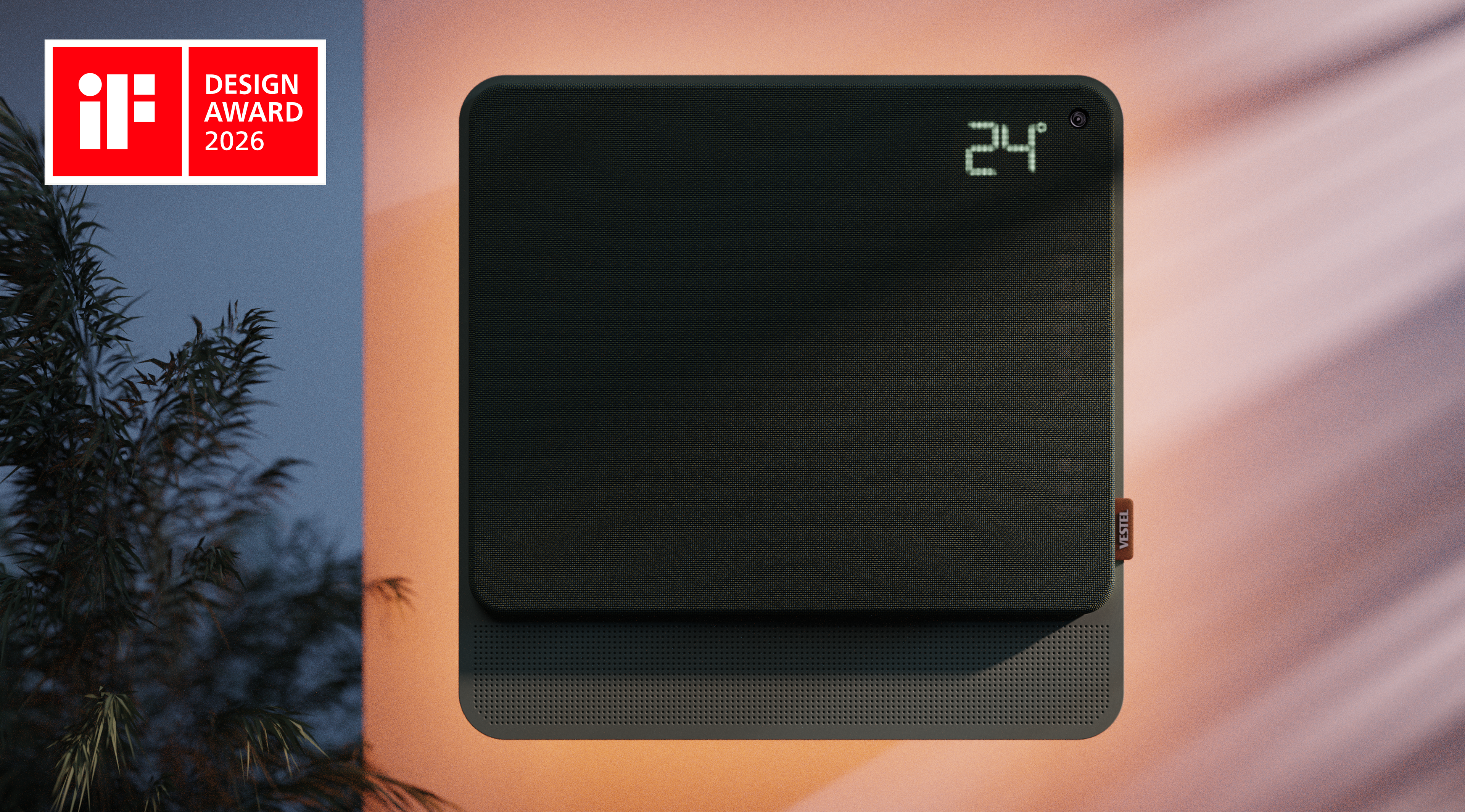
WellFlow
An adaptive air conditioner that is designed to support wellness in every moment of daily life.
Designed for Vestel in 2023
Senior Industrial Designer
Services
Industrial Design
User Experience Design
3 months
All rights are reserved by Vestel
Project Scope
The goal of WellFlow was to redefine the air conditioner as more than a cooling device. Conventional AC units often focus only on lowering temperature, yet they can cause discomfort through dryness, direct airflow, or excessive noise.
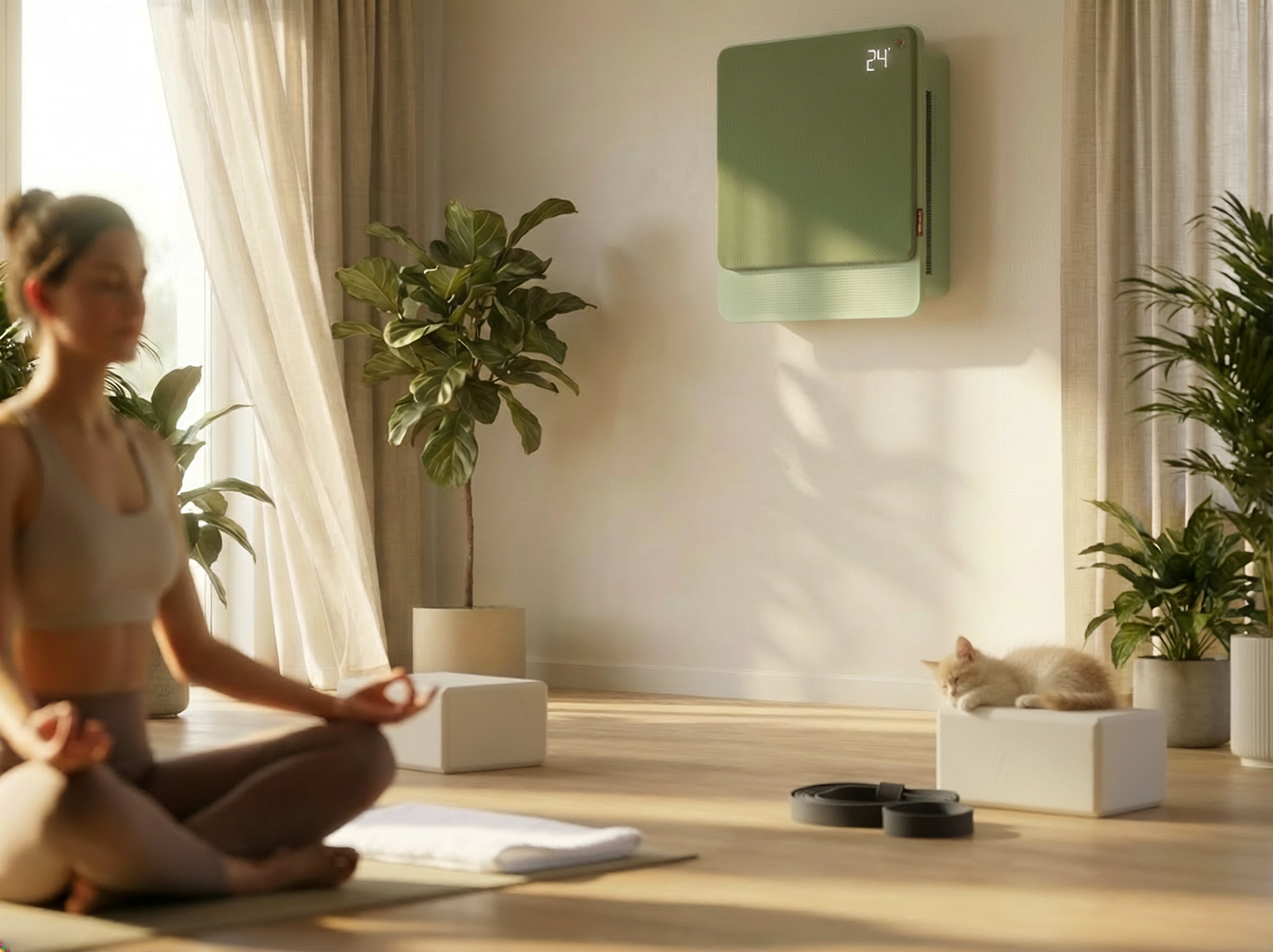
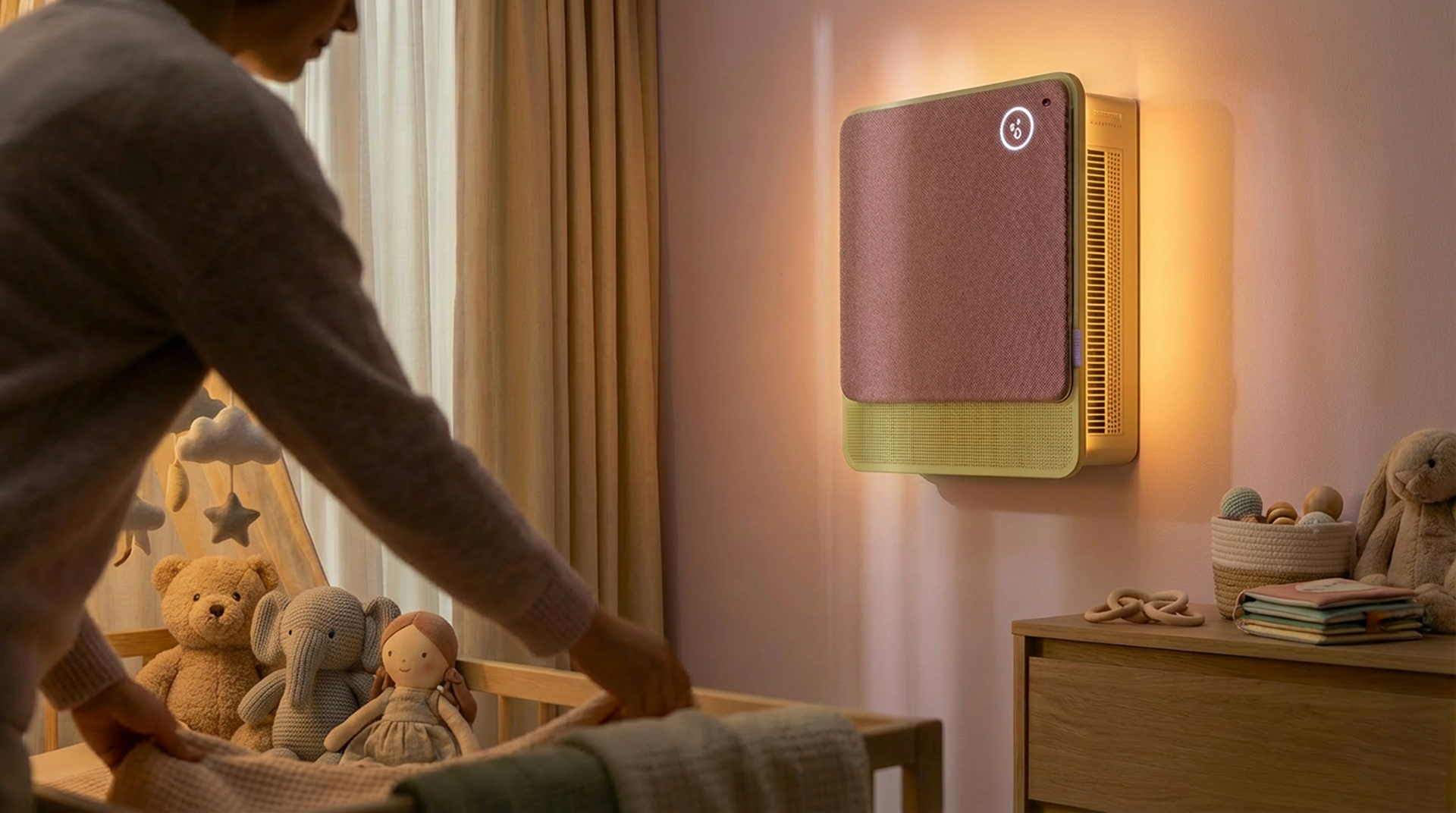
WellFlow was developed as an adaptive wellness system, capable of regulating temperature, humidity, air purity, and ambience in harmony with user needs. It is designed to adapt to different lifestyles and environments—from a baby’s room that requires gentle humidity, to a workspace that demands quiet focus, or a fitness setting where fresh airflow is essential.
By combining research-driven insights, multi-sensory features, and a versatile design language, WellFlow demonstrates how air conditioning can shift from a purely functional appliance into a holistic wellbeing companion.

Key Trends
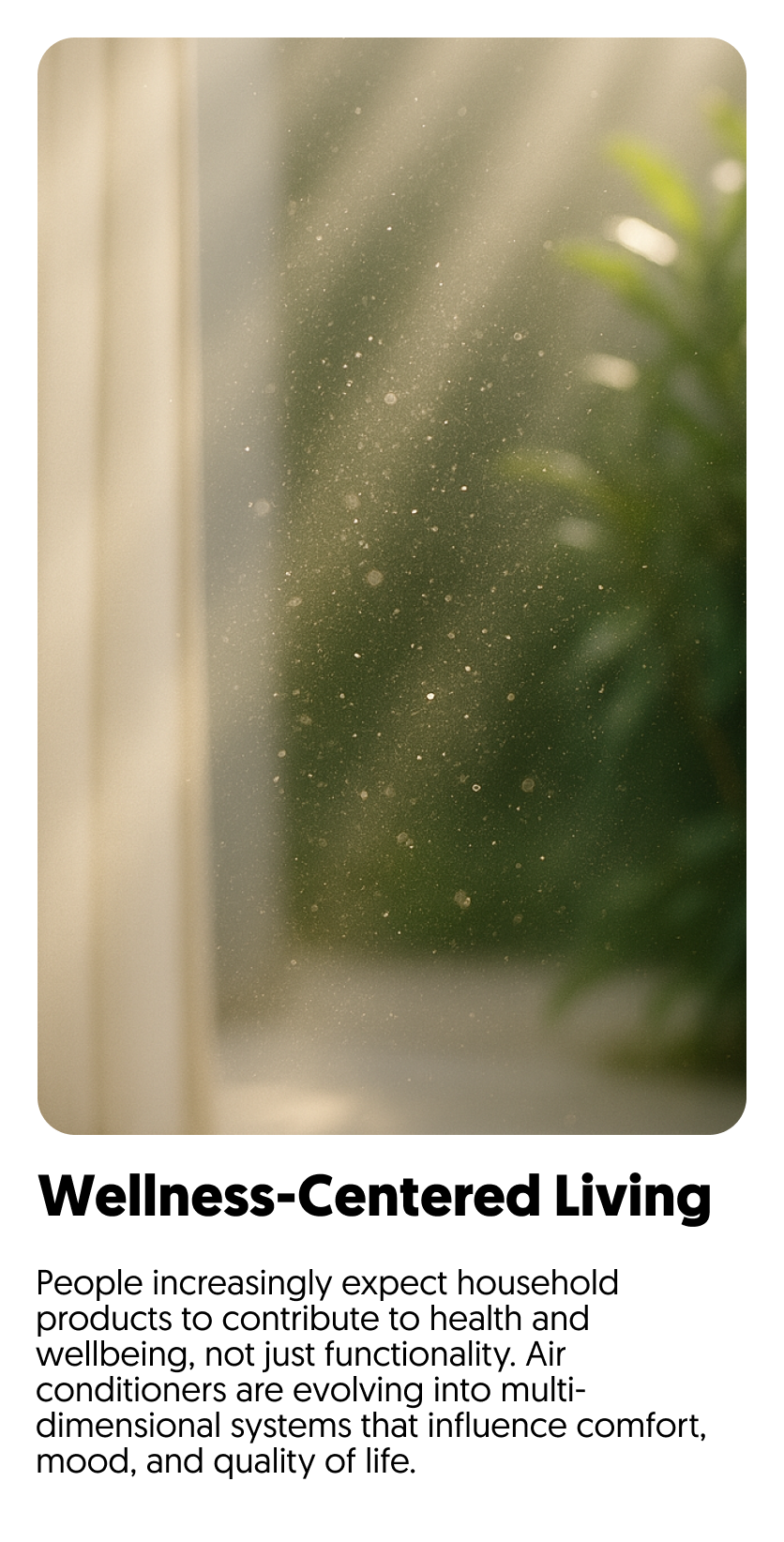
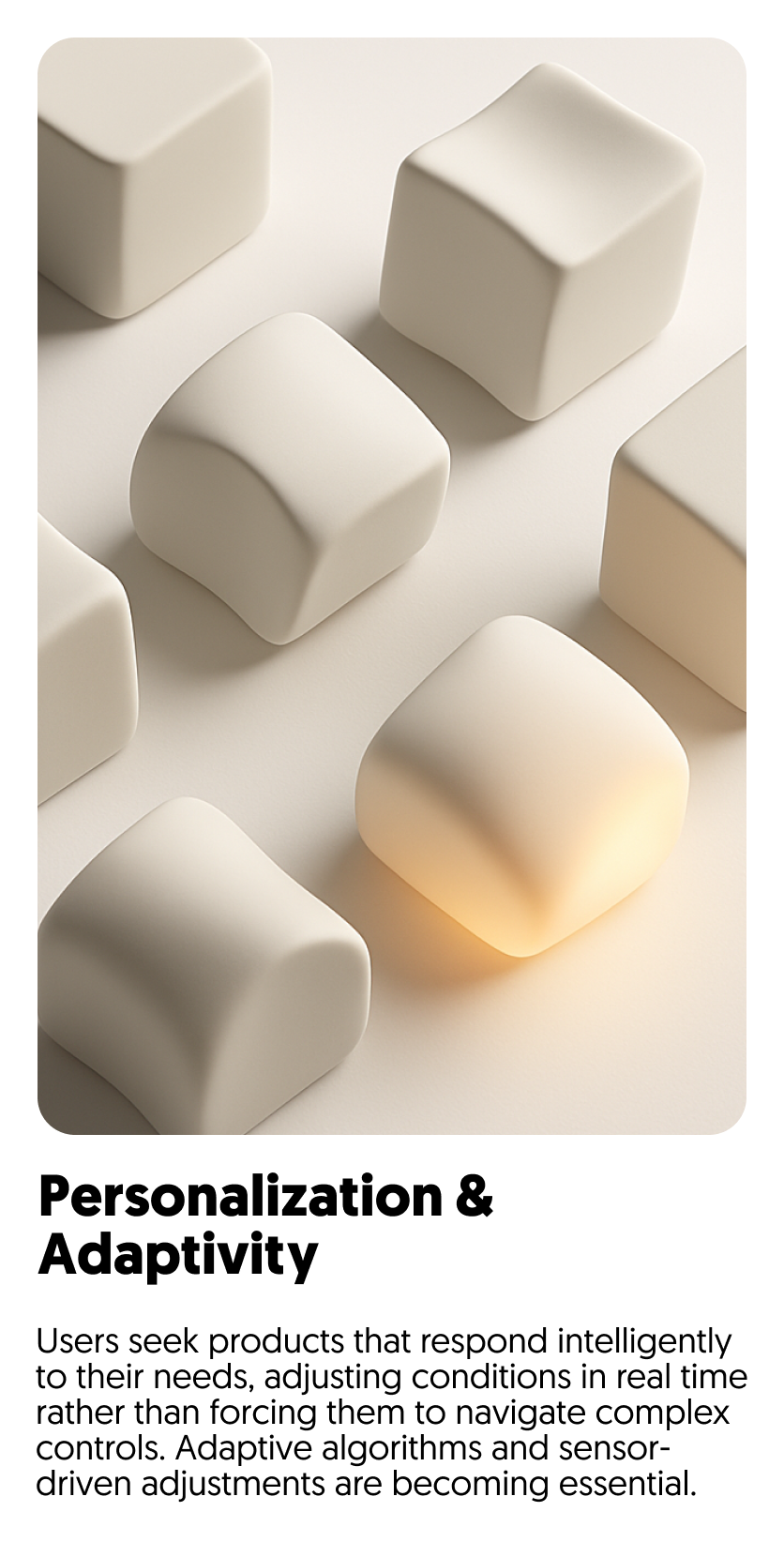
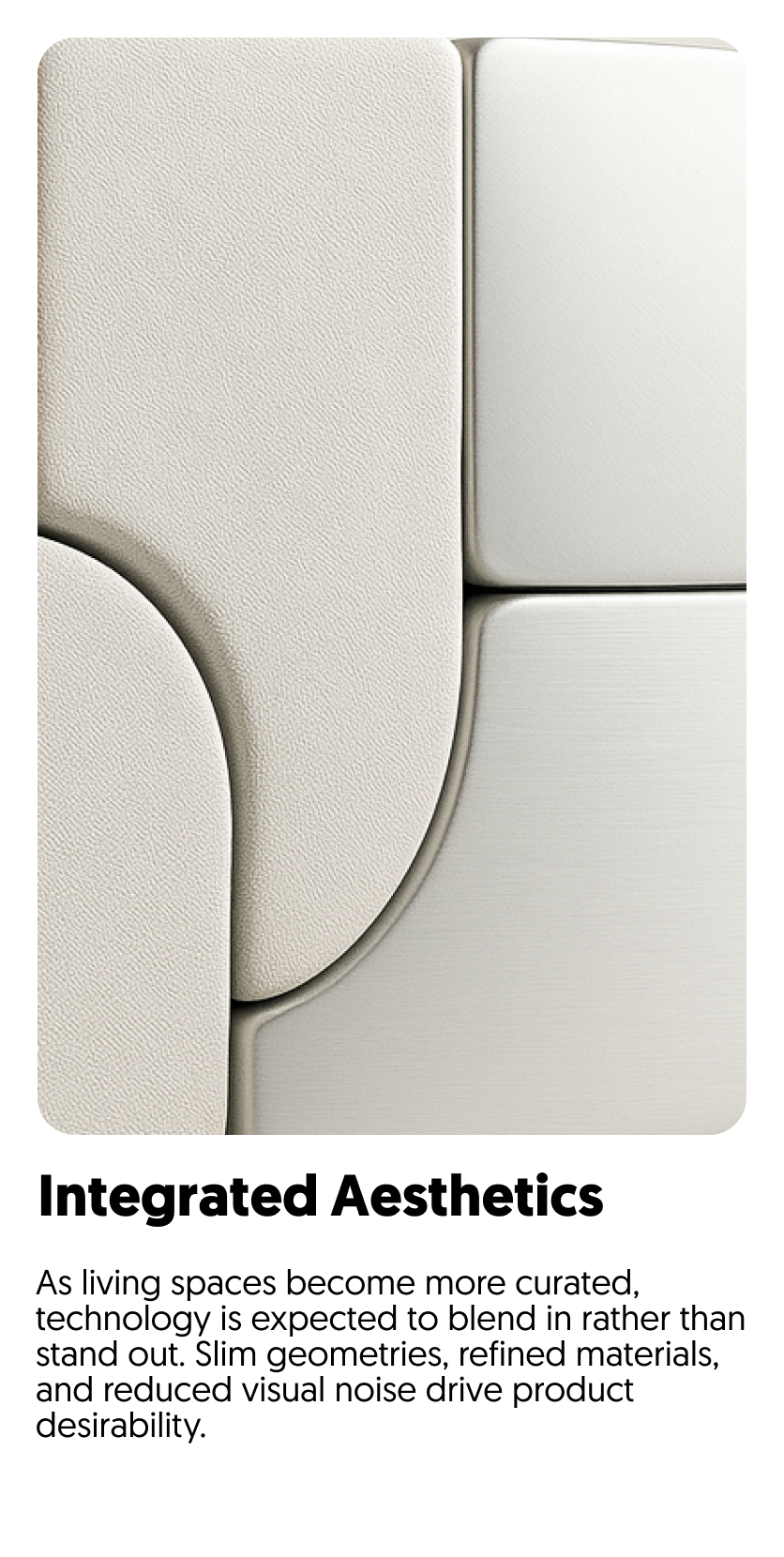
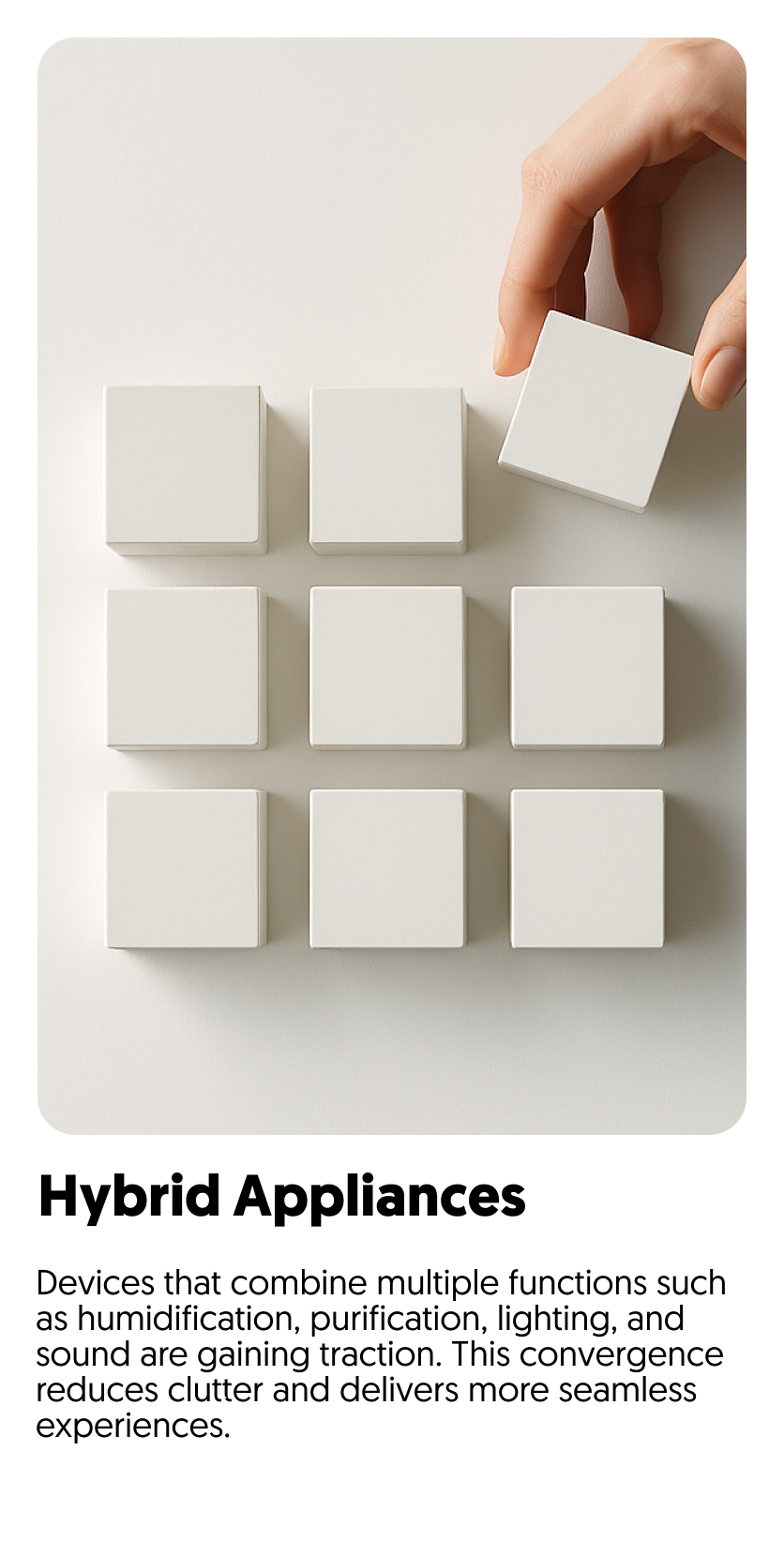
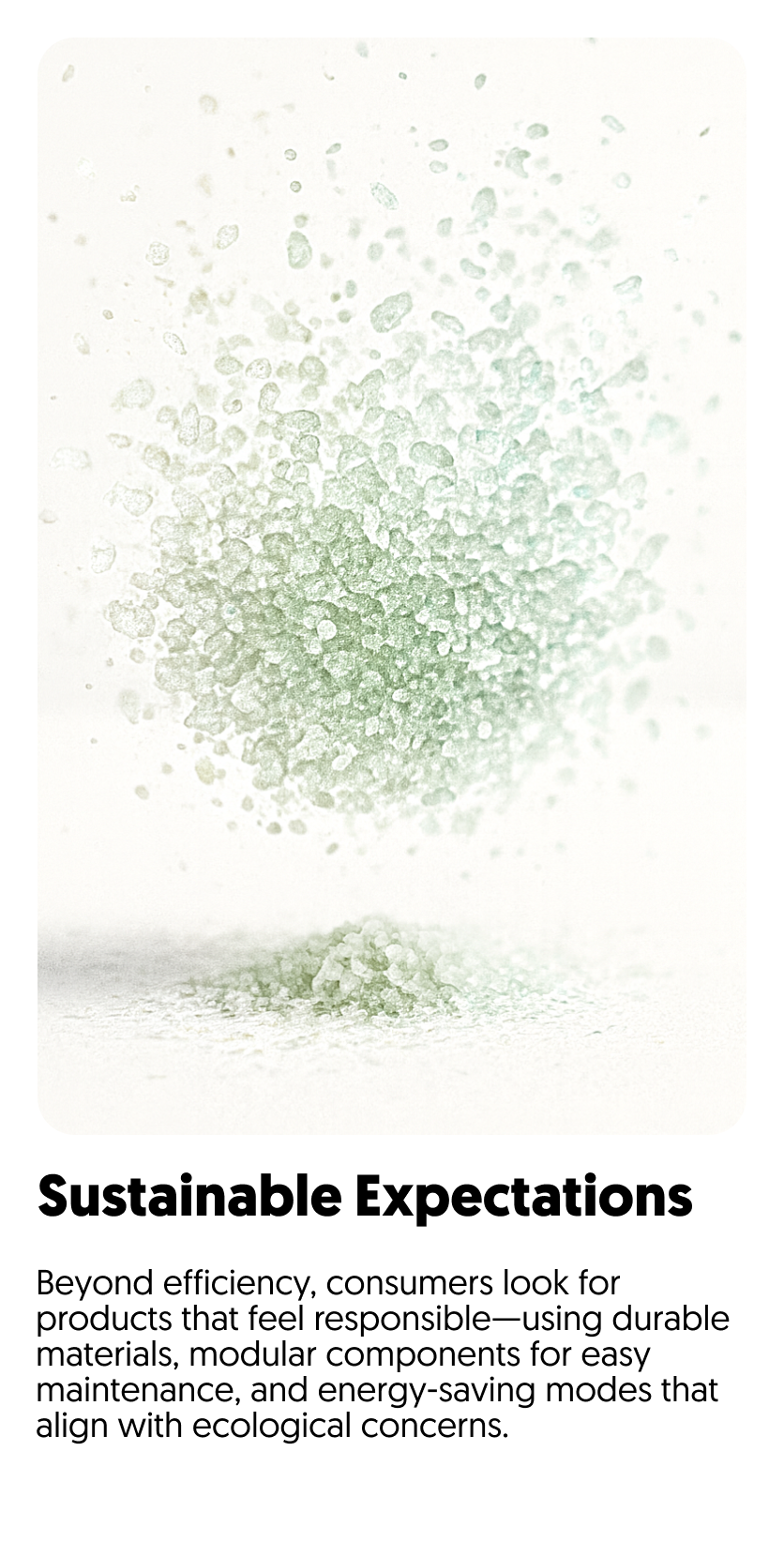
To guide the development of WellFlow, we analyzed the broader design and technology landscape shaping the future of home comfort systems. These key trends capture how expectations around air conditioners are evolving, moving beyond cooling into wellness, adaptability, aesthetic integration, and sustainability. Each trend provided a strategic lens to position
Competitor Analysis
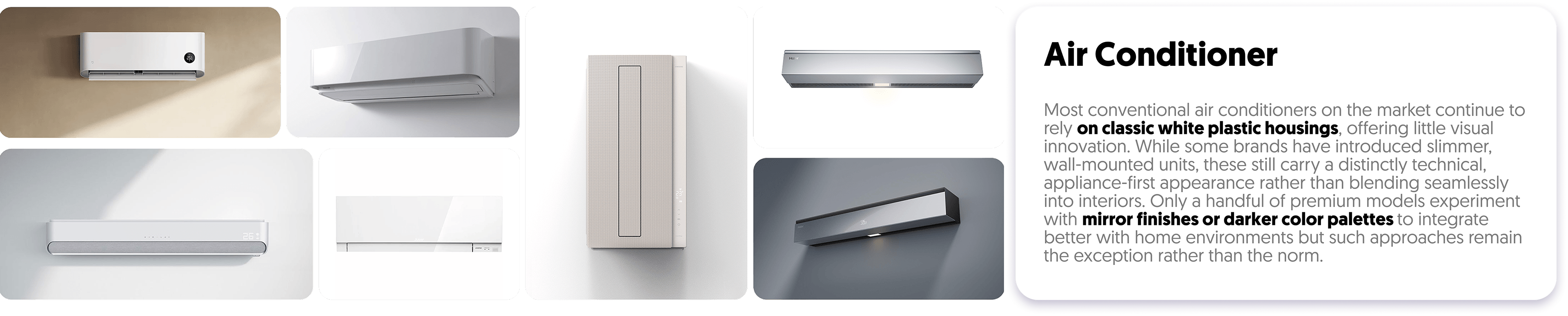
We reviewed over 25 products across air conditioners, air purifiers, humidifiers, and sleep-focused wellness devices. This included established brands such as Samsung, Daikin, and Mitsubishi, alongside lifestyle-driven devices like Asakuki diffusers, Hatch Restore, and Philips wake-up lights. The review helped us understand both the conservative design language of conventional ACs and the softer, experiential aesthetics of newer hybrid and wellness products



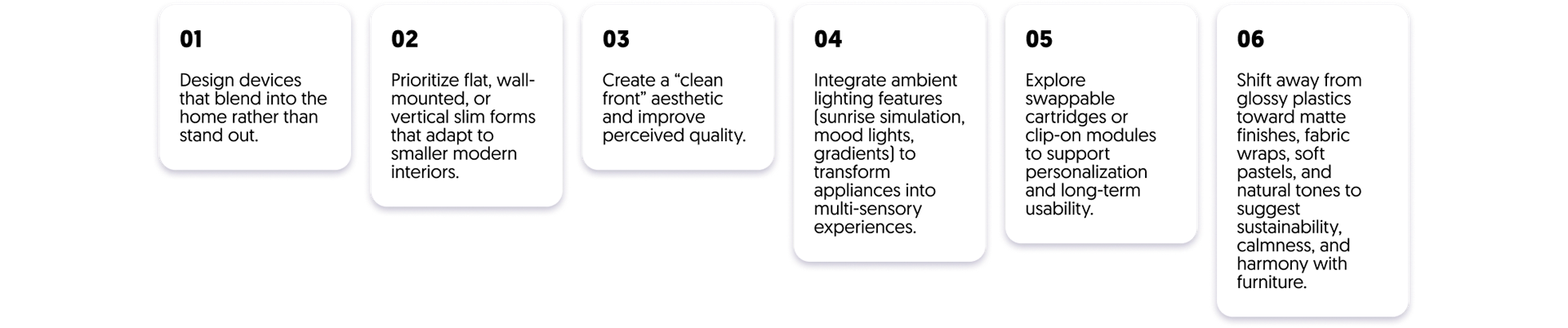
Takeaways
User Experience Analysis
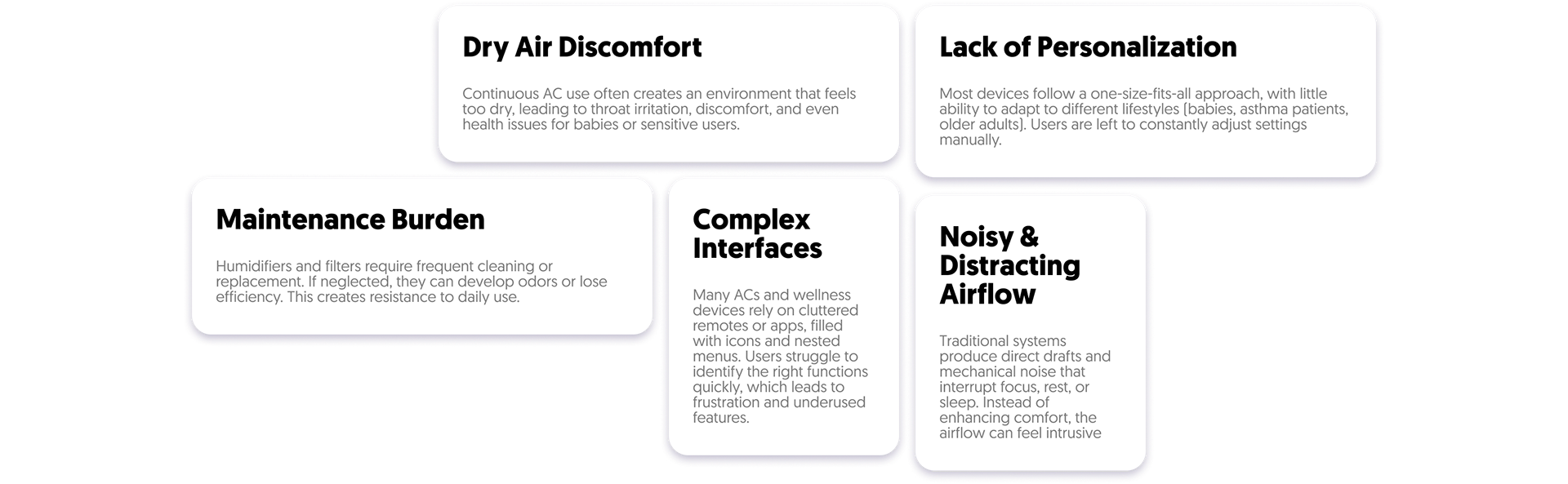
Beyond reviewing the market, we examined how people actually experience air conditioning in daily life. This stage focused on identifying the recurring pain points, frustrations, and unmet needs that shape user perception of ACs and related wellness devices. Issues such as dryness, noisy airflow, confusing controls, frequent maintenance, and lack of personalization emerged as key barriers. By mapping these challenges, we were able to build a clearer picture of where design can make the biggest impact.
This analysis created a natural foundation for the next step, conducting user interviews, to validate these observations and uncover deeper insights into habits, routines, and expectations.

User Interviews
We began with a set of proto-personas to guide our recruitment process. Based on these early profiles, we selected participants whose contexts aligned with the challenges we wanted to explore including young parents, asthma and allergy sufferers, and older adults dealing with sleep difficulties. By interviewing people who reflect these situations, we aimed to validate our assumptions, uncover new pain points, and capture real-life routines around air conditioning use.

What We've Explored?
Our interviews were semi-structured, guided by themes rather than fixed questionnaires. This allowed participants to share both practical issues and emotional expectations around their experiences with air conditioning and indoor comfort. We explored five main areas:

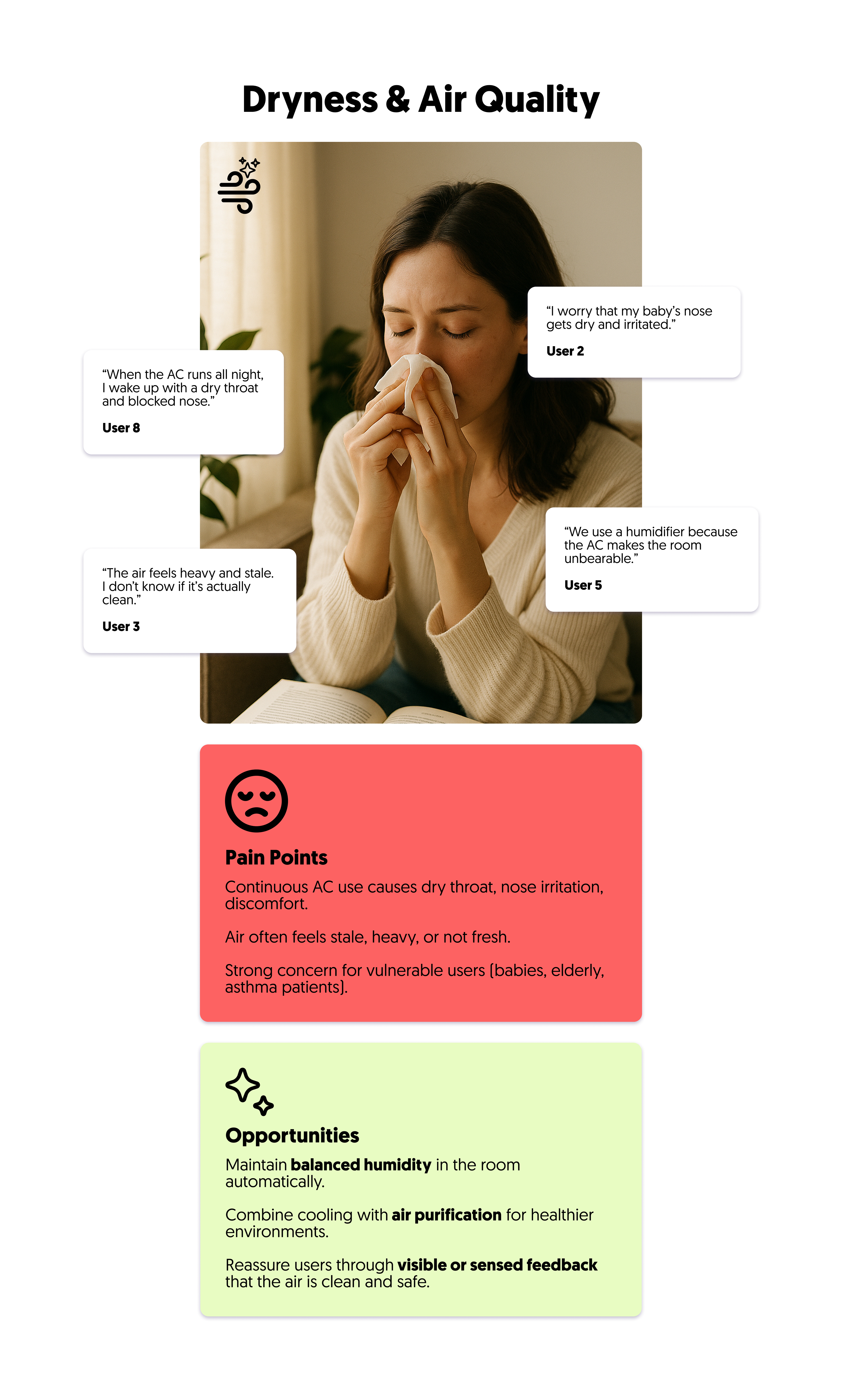
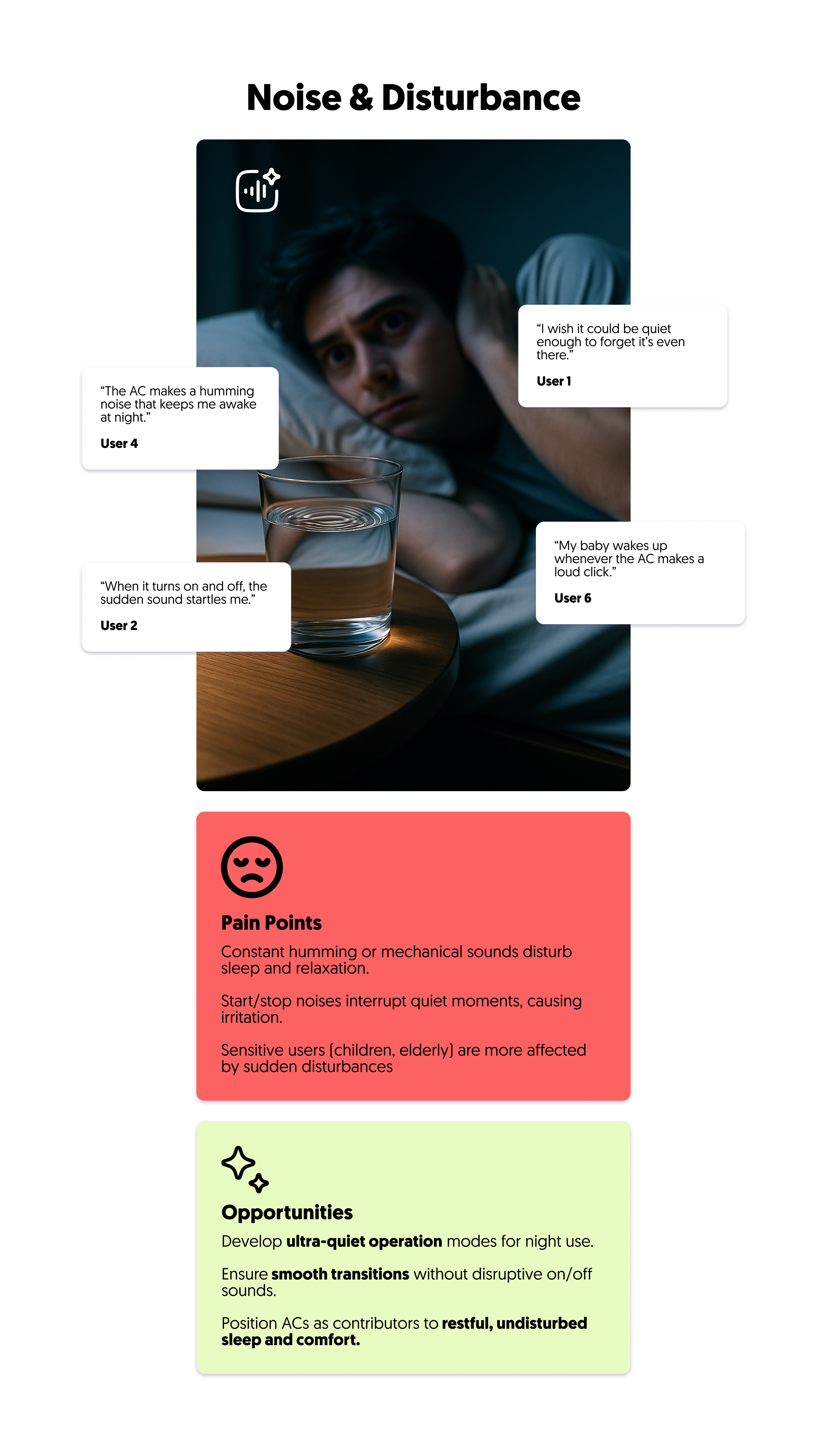
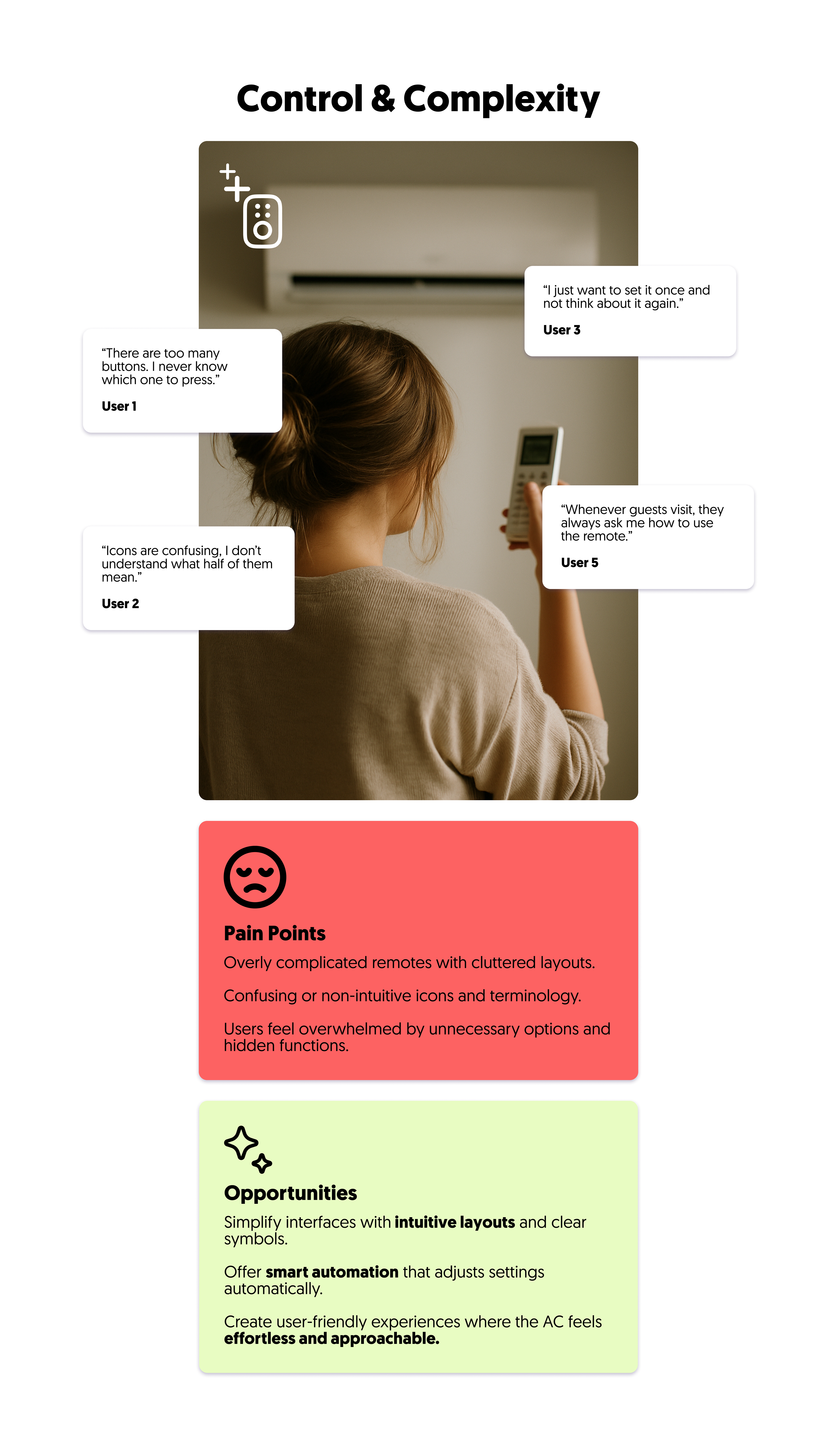
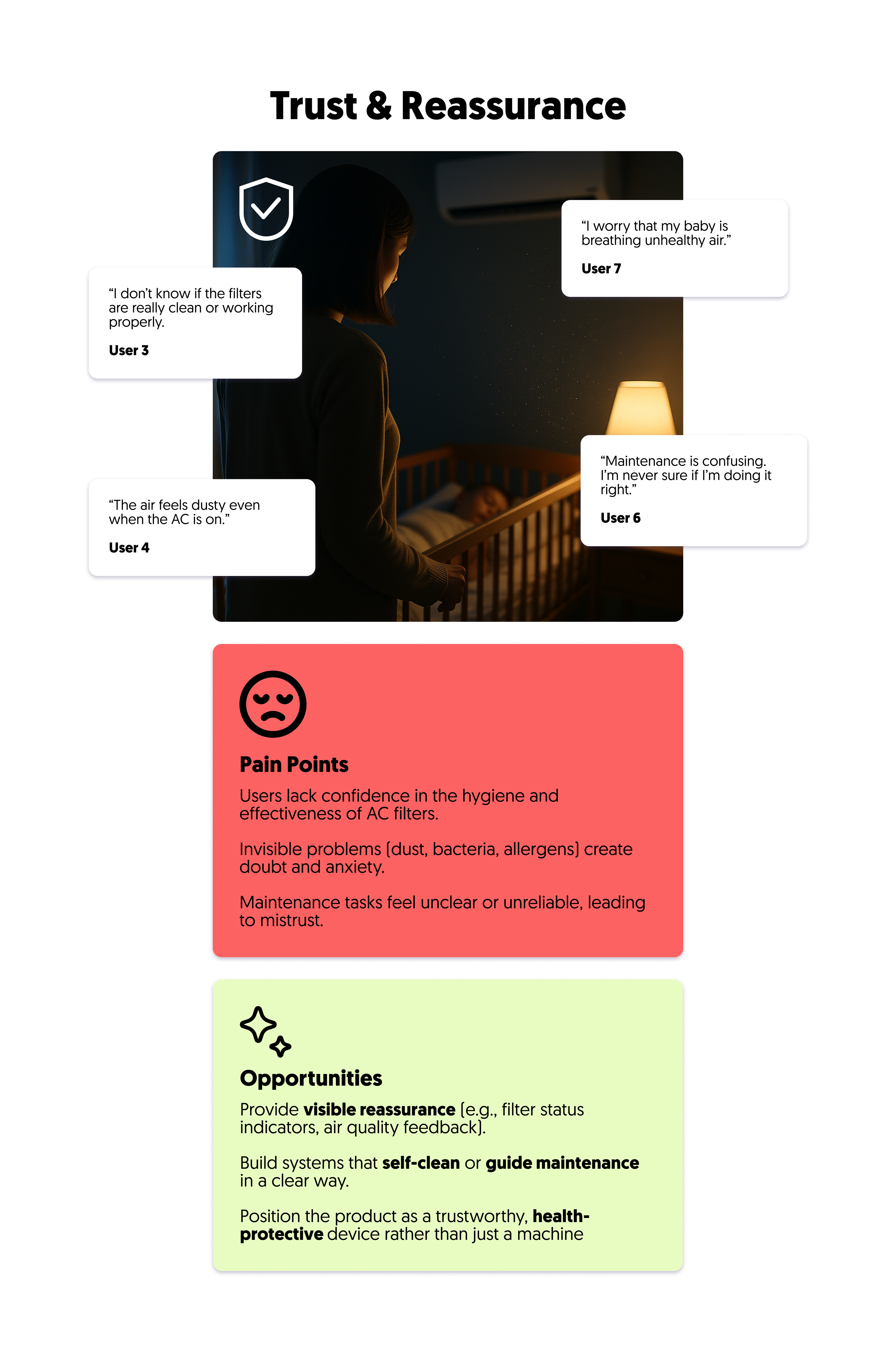
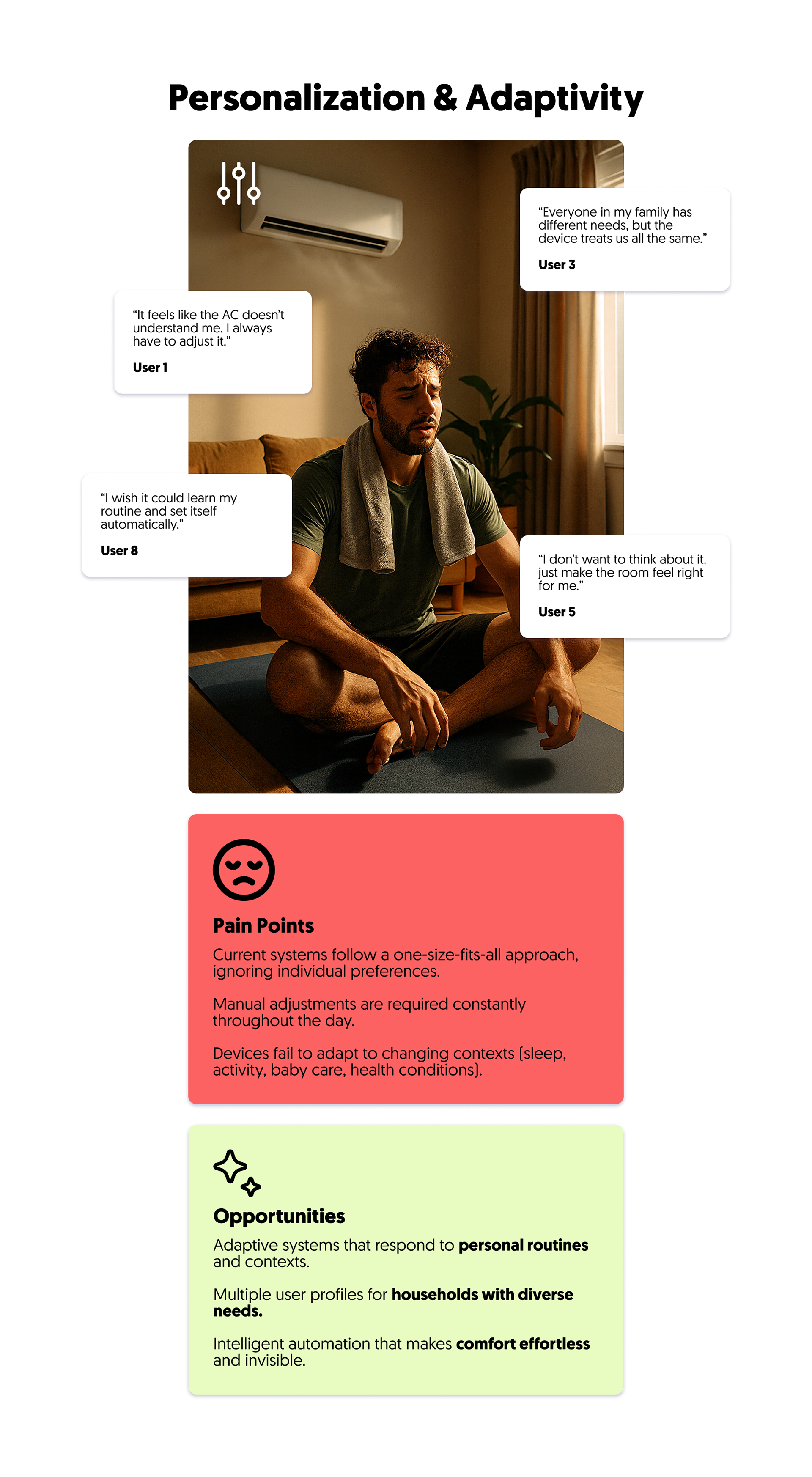

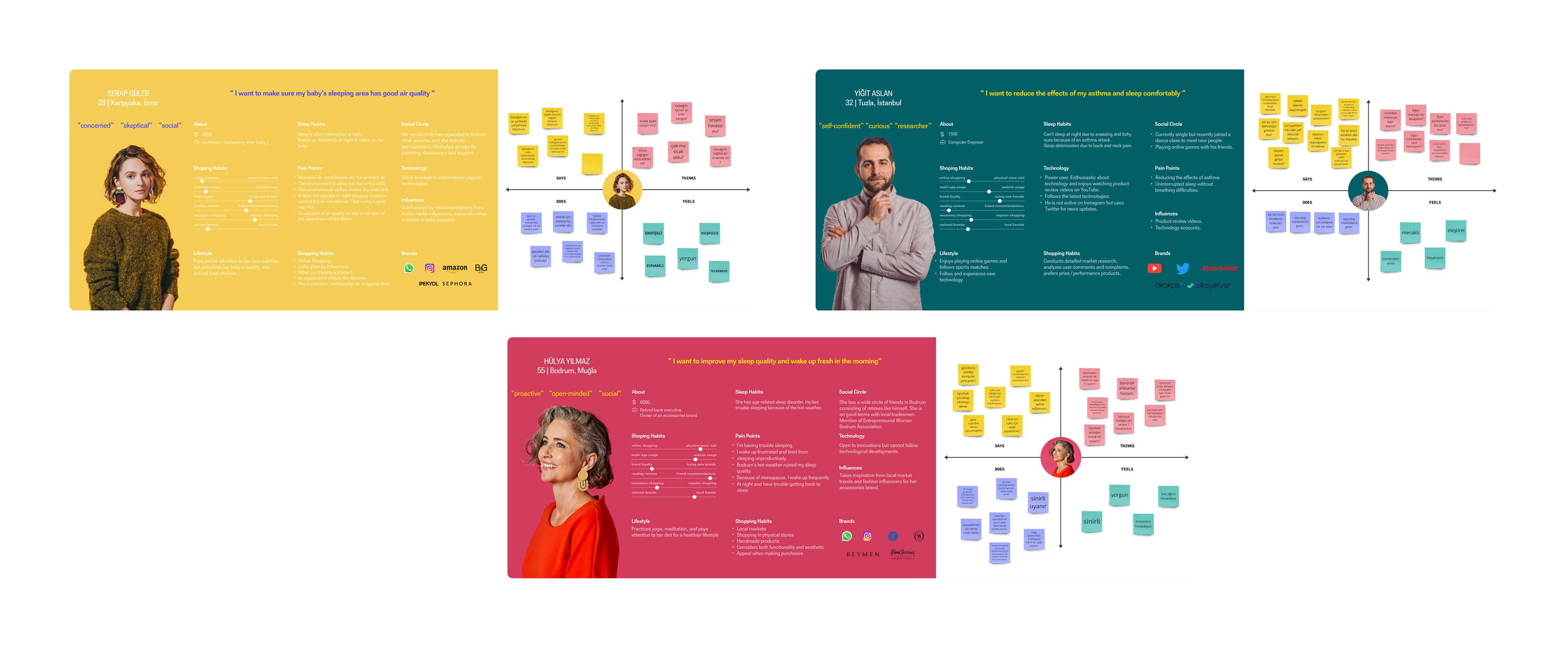
To translate the voices from our interviews into actionable design tools, we developed three representative personas. These personas are not fictional characters but validated composites, built from the proto-personas we defined early on and refined with real interview insights.
By grounding them in actual user voices, the personas capture both the practical needs and emotional expectations of different groups from new parents seeking reassurance, to health-conscious professionals, to older adults managing sleep difficulties.
They served as a constant reference point during concept development, ensuring that WellFlow’s design decisions stayed connected to real people and their daily challenges.
Ideation:
How Do We Make It Better?
WellFlow was designed around a simple insight: most air conditioners make people uncomfortable. They dry the air, push harsh airflow directly onto the body, and create a constant background worry, especially for babies, elderly users, and people with sensitive breathing. Instead of supporting wellbeing, they often disrupt it.
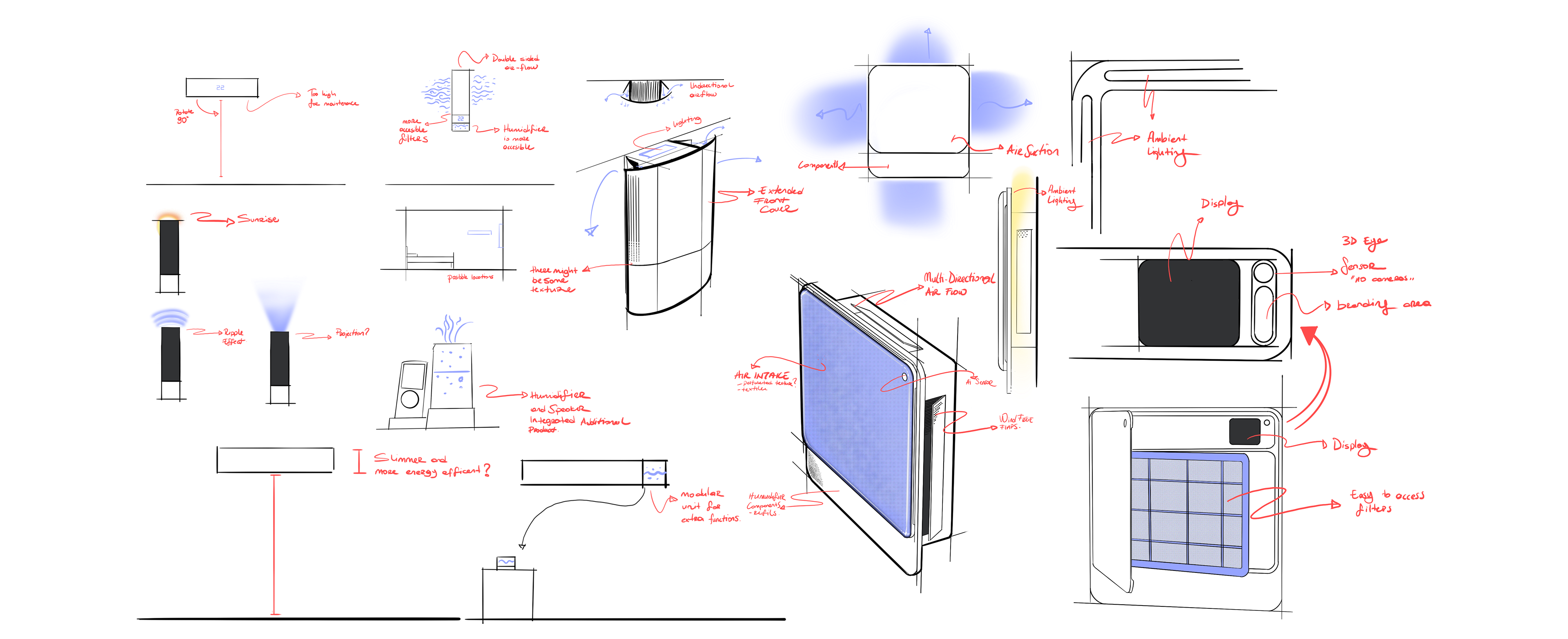
WellFlow fixes this by reshaping how an air appliance should behave. Rather than forcing air in one direction, it uses a gentle, diffused airflow that stabilizes the room without ever creating cold drafts. The humidity stays balanced, the air stays clean, and the environment finally feels natural again. The device automatically adjusts to changes in temperature, air quality, or daily routine so the user doesn’t need to think about anything. Comfort becomes effortless.
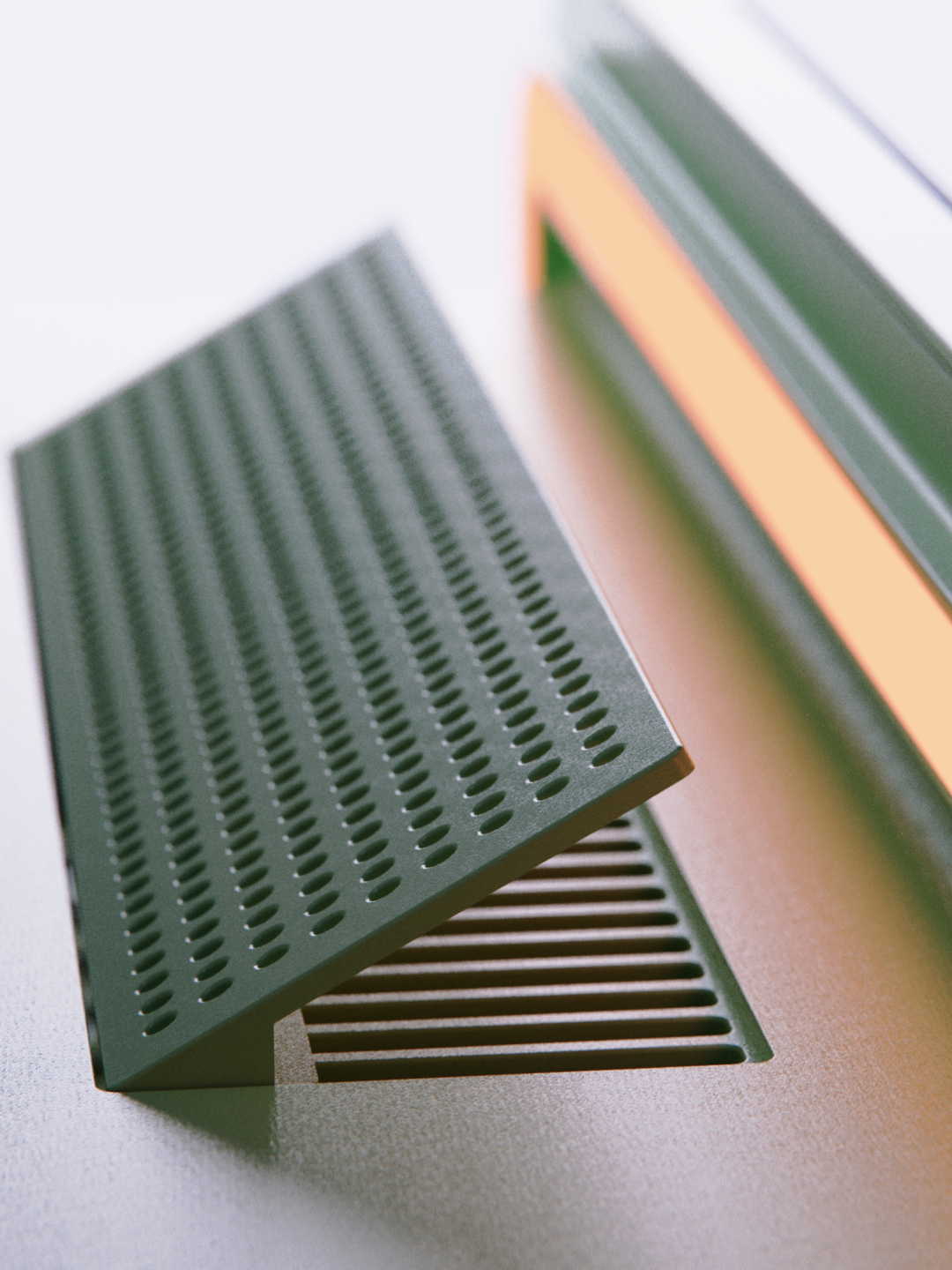
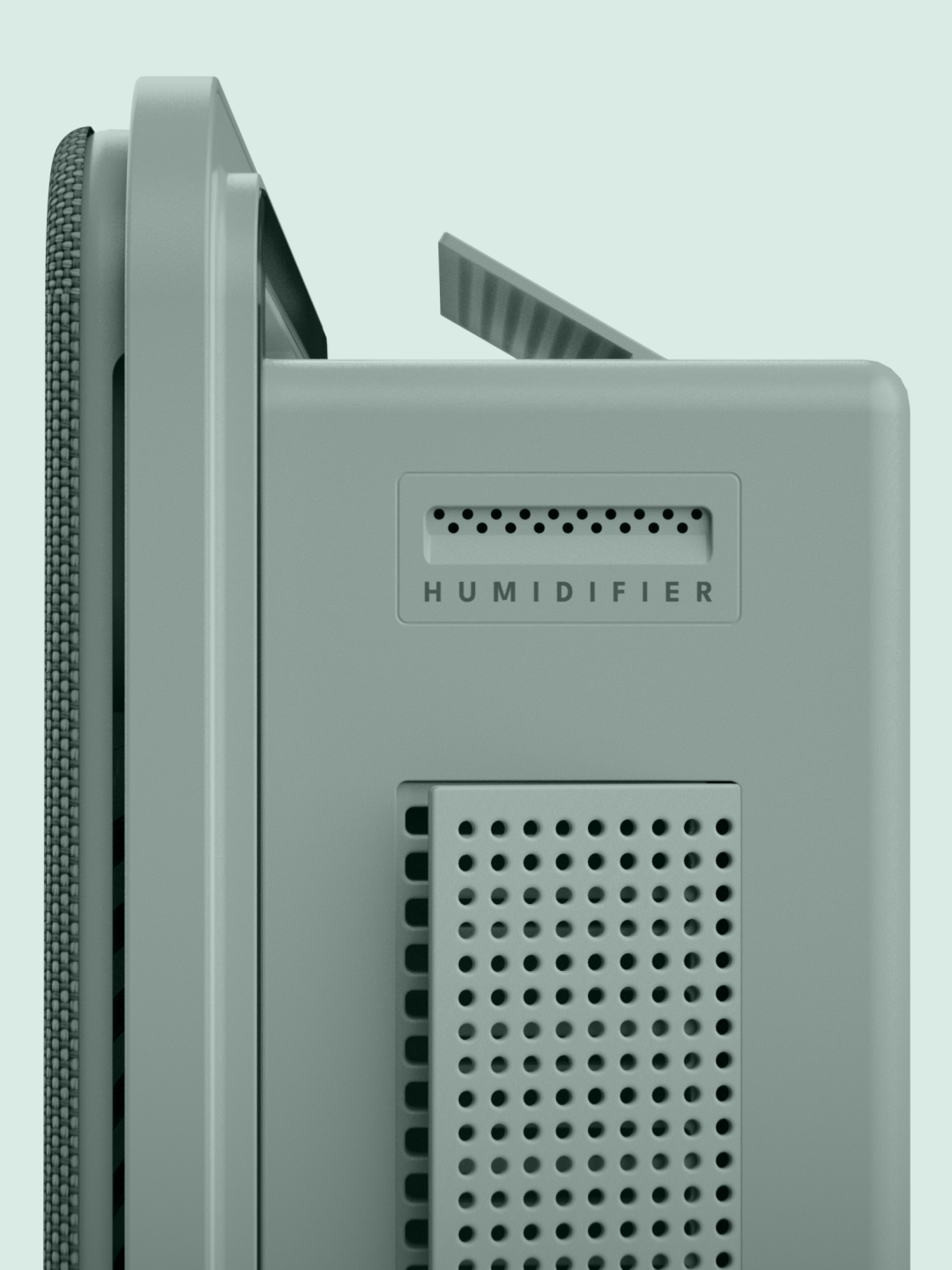
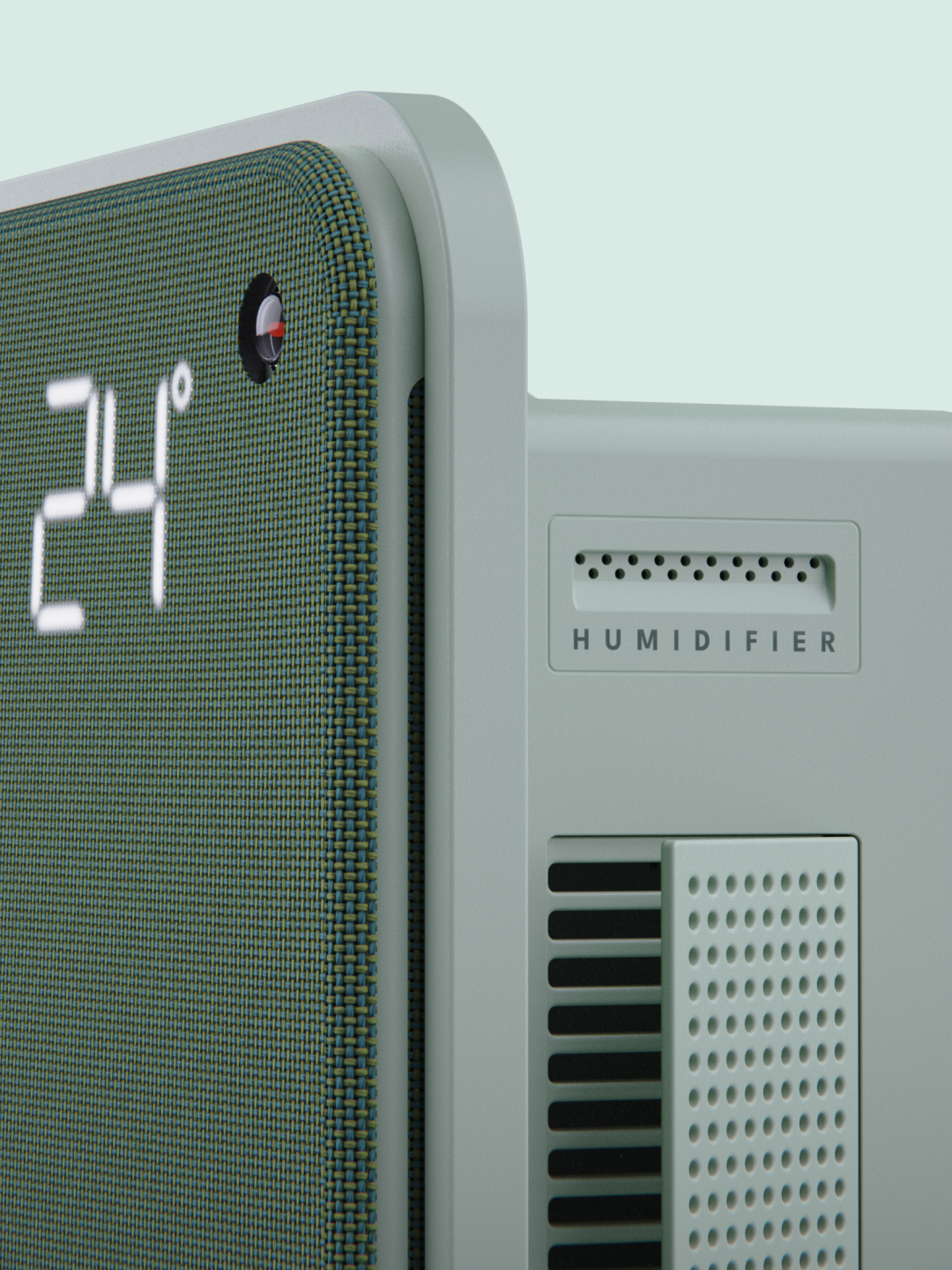
WellFlow Adaptive Wellness System
WellFlow uses real-time sensing, intelligent adjustment, and user-driven personalization to create a continuously balanced indoor climate.
Its adaptive system monitors temperature, humidity, air quality, airflow, and light levels, then adjusts automatically to keep the environment healthy and comfortable.
Its adaptive system monitors temperature, humidity, air quality, airflow, and light levels, then adjusts automatically to keep the environment healthy and comfortable.
The system learns from daily routines, such as sleep patterns, usage habits, and preferred climate settings and optimizes its behavior over time. Users can also personalize the experience through adjustable modes, airflow control, humidity preferences, sound options, and lighting settings.
This combination of automatic intelligence + user choice ensures that every room feels tailored, natural, and consistently well-balanced.
This combination of automatic intelligence + user choice ensures that every room feels tailored, natural, and consistently well-balanced.
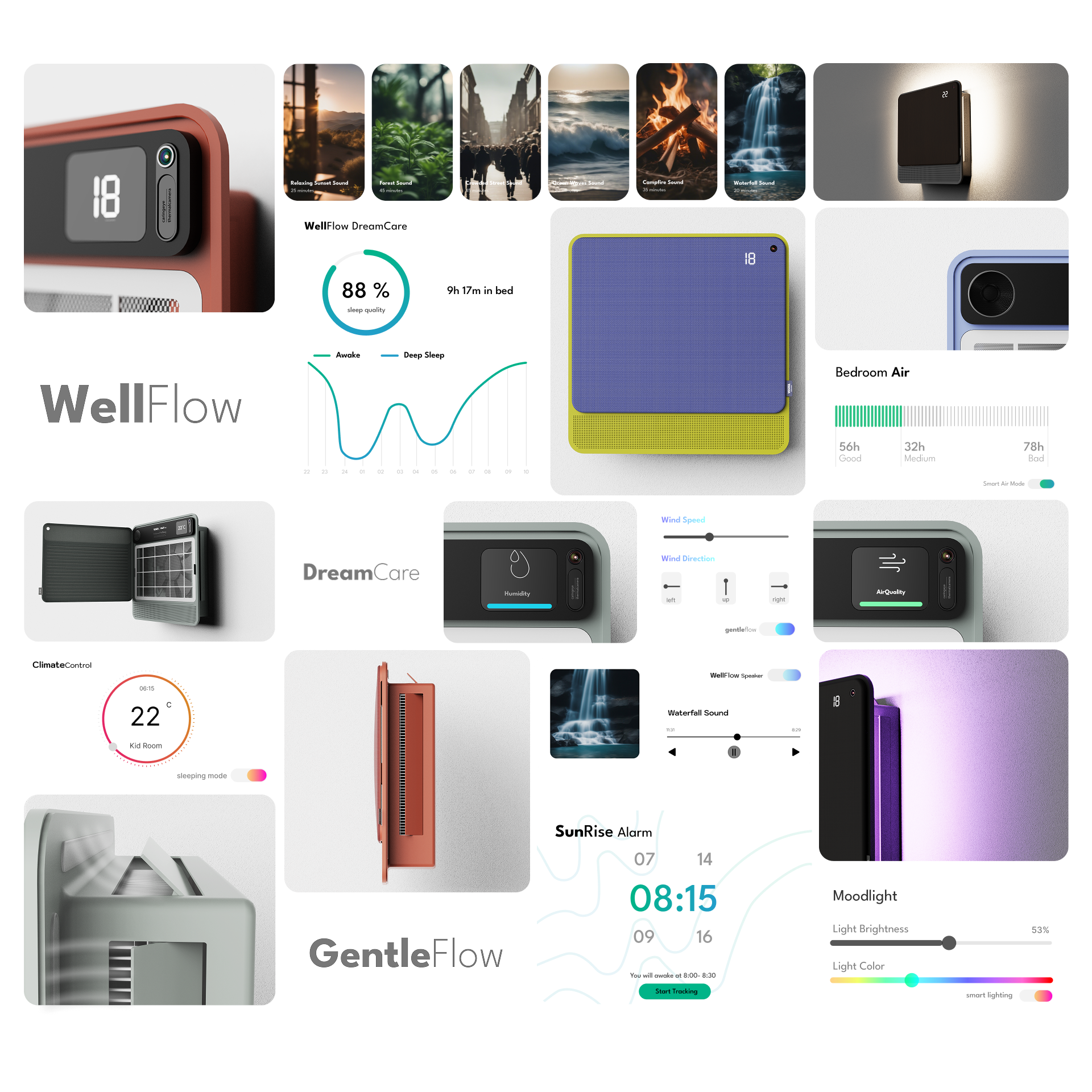
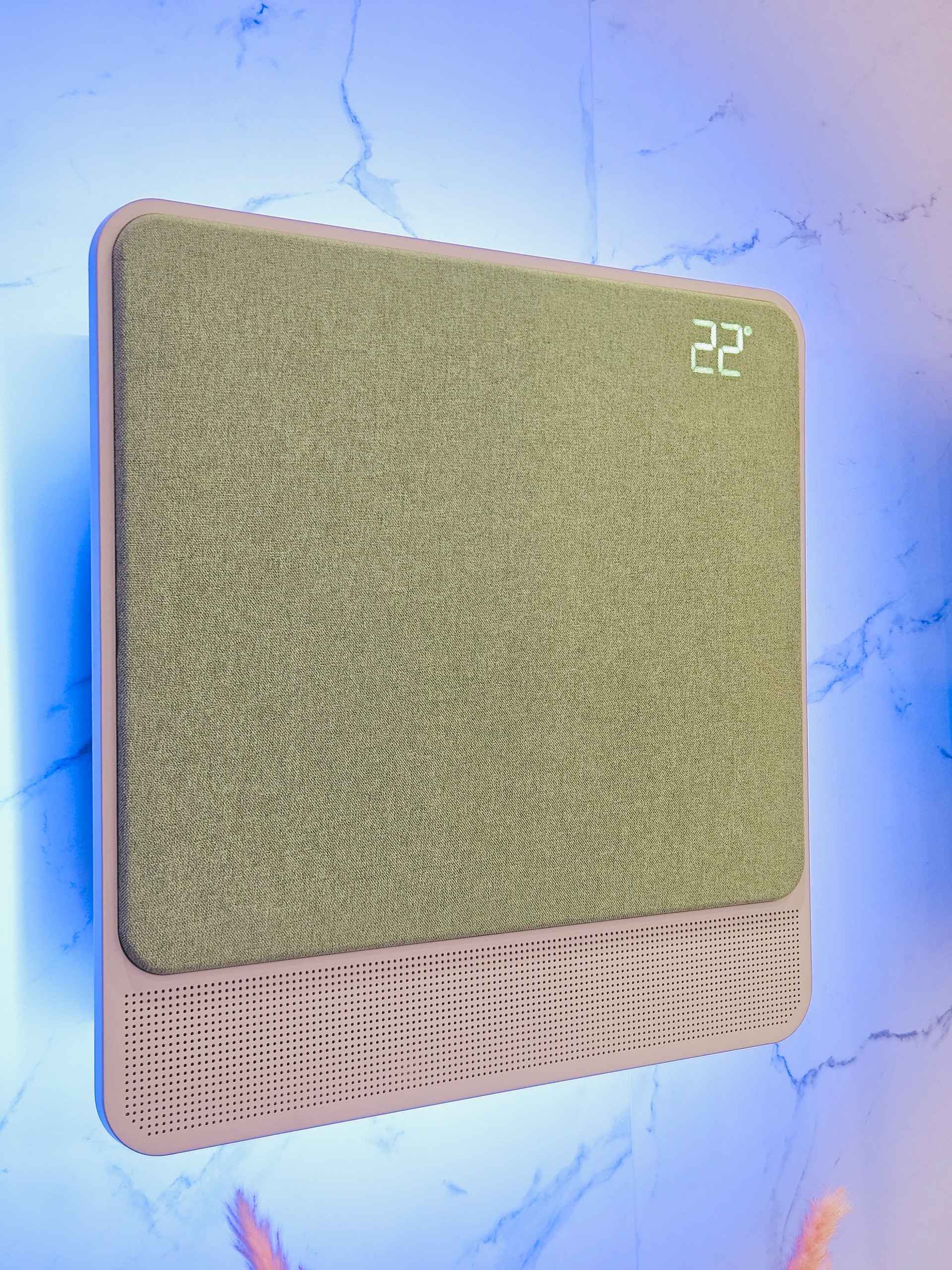
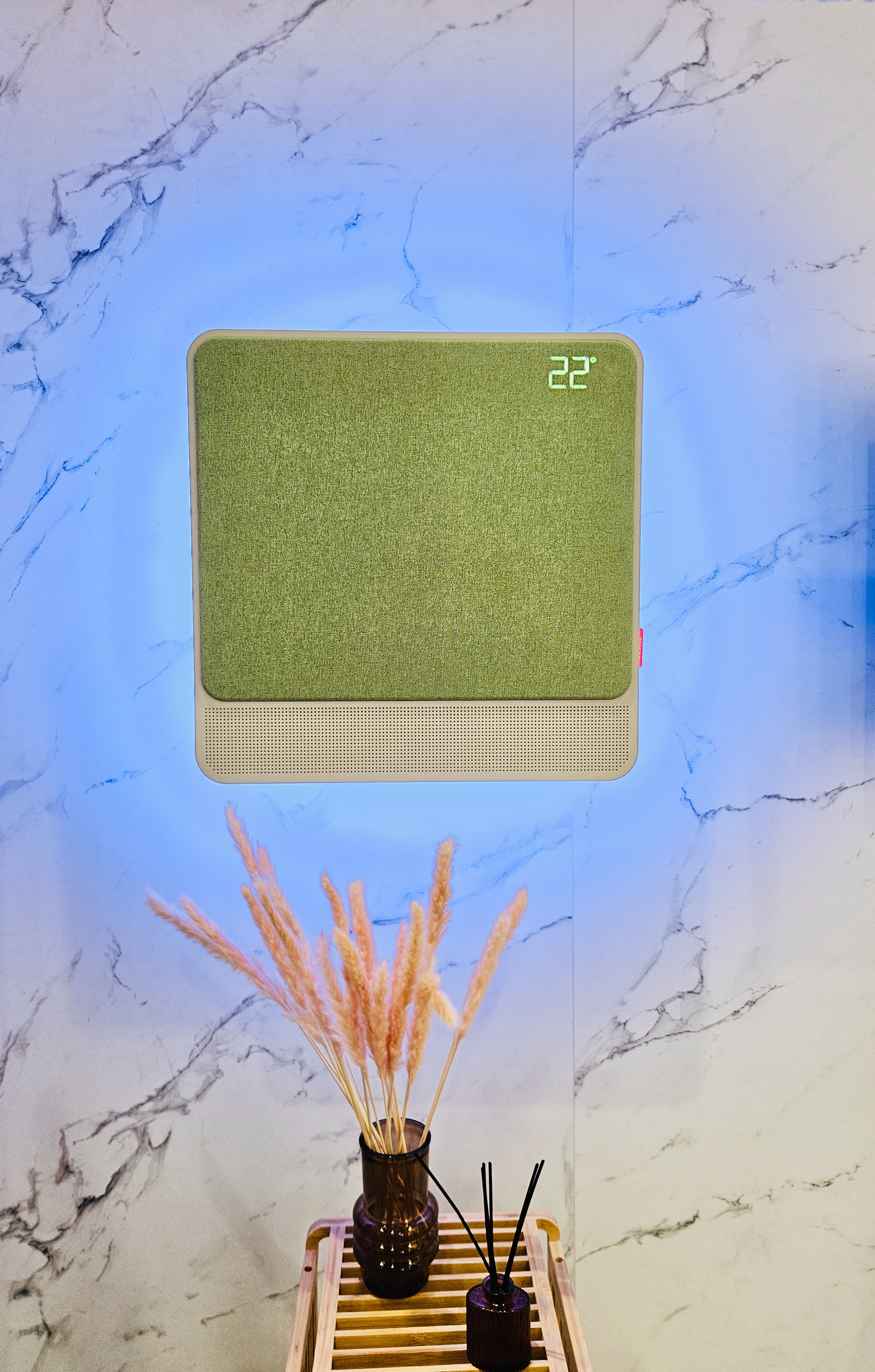
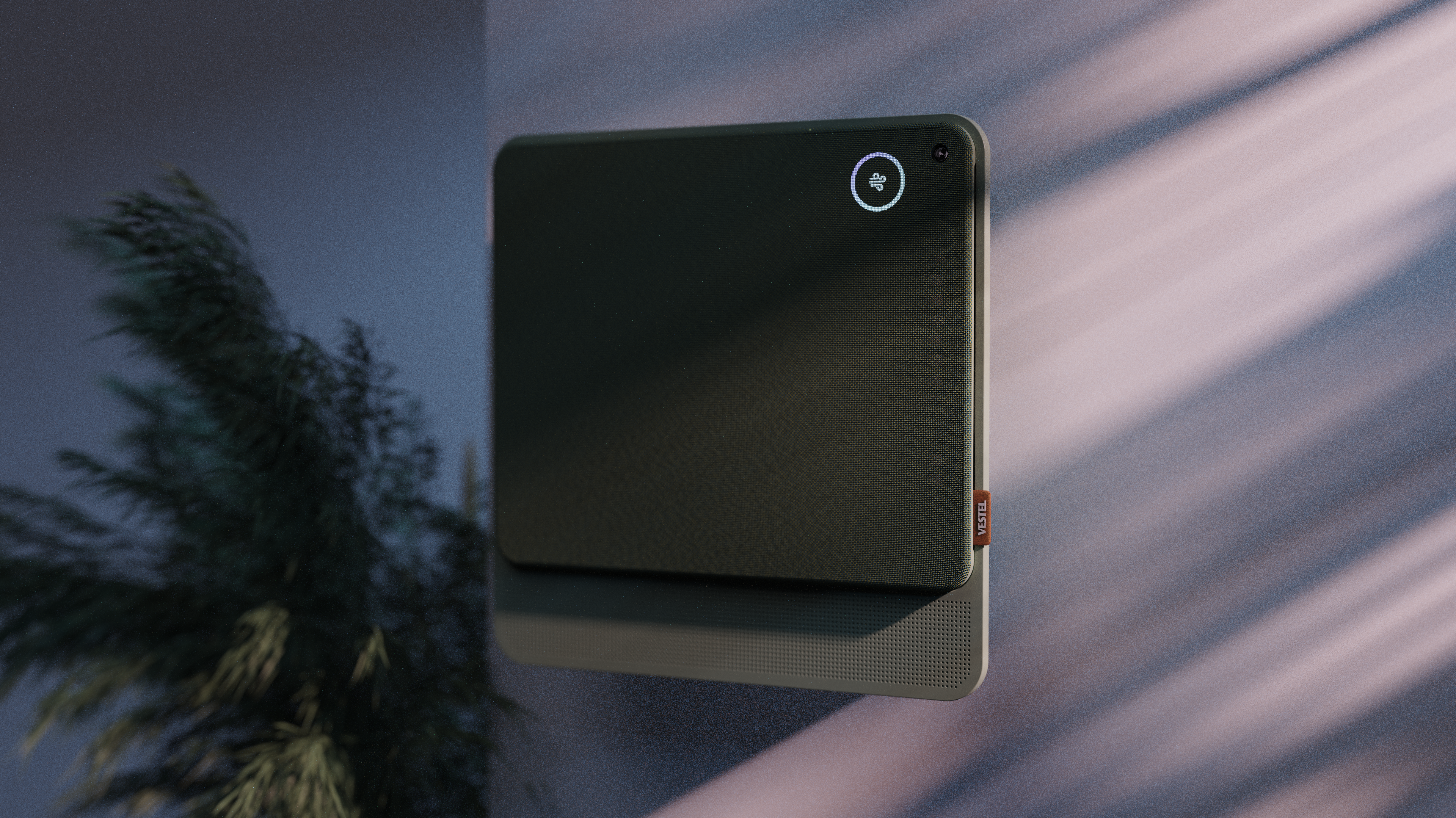
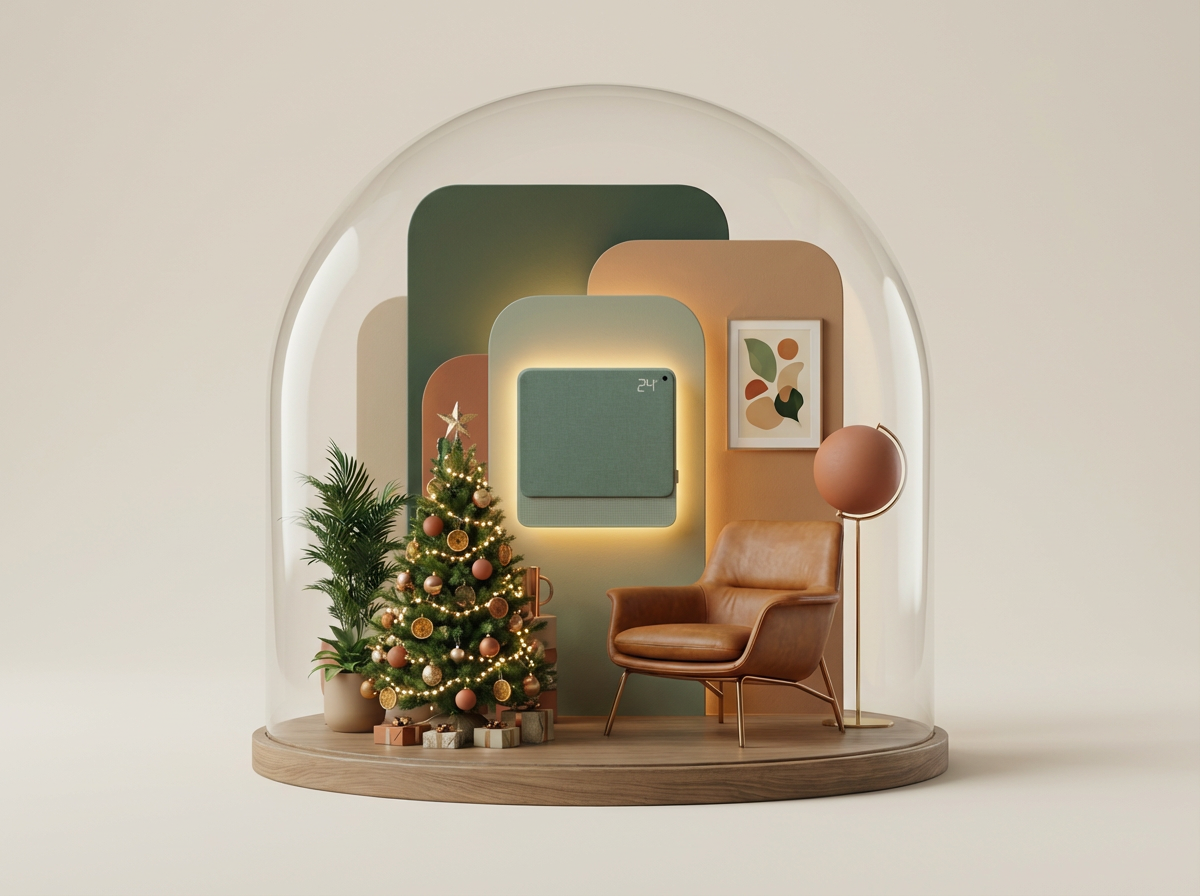
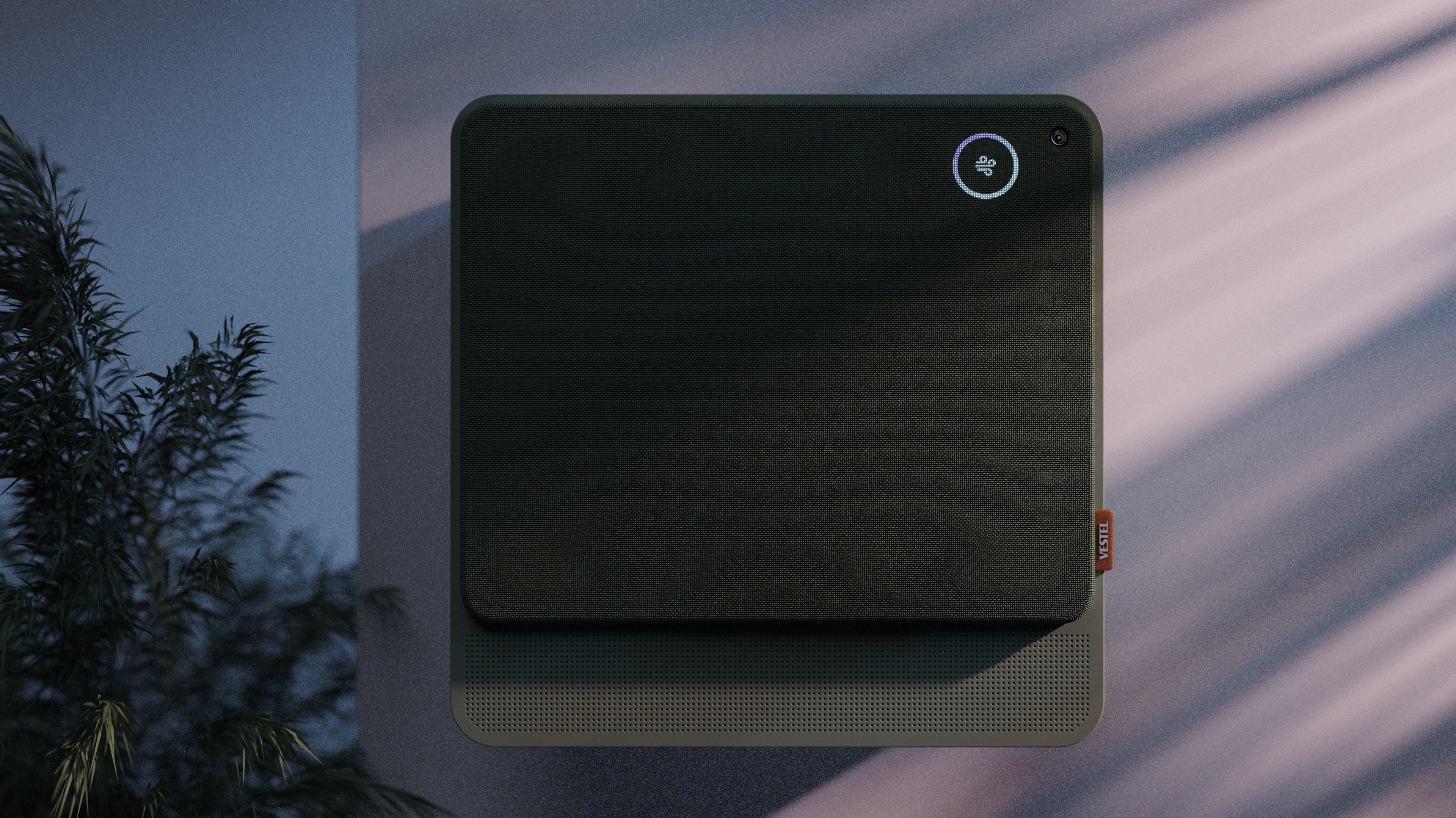
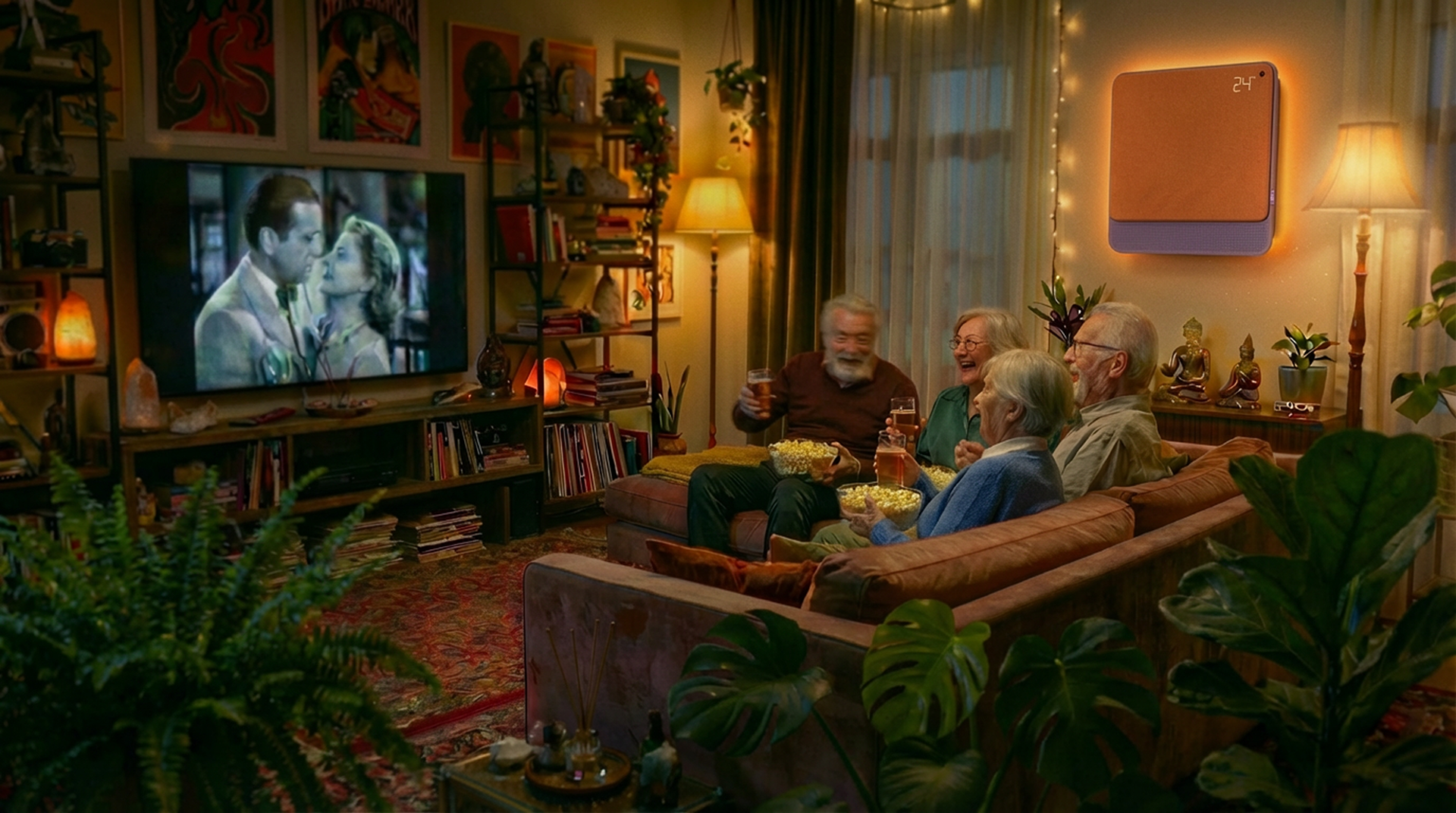
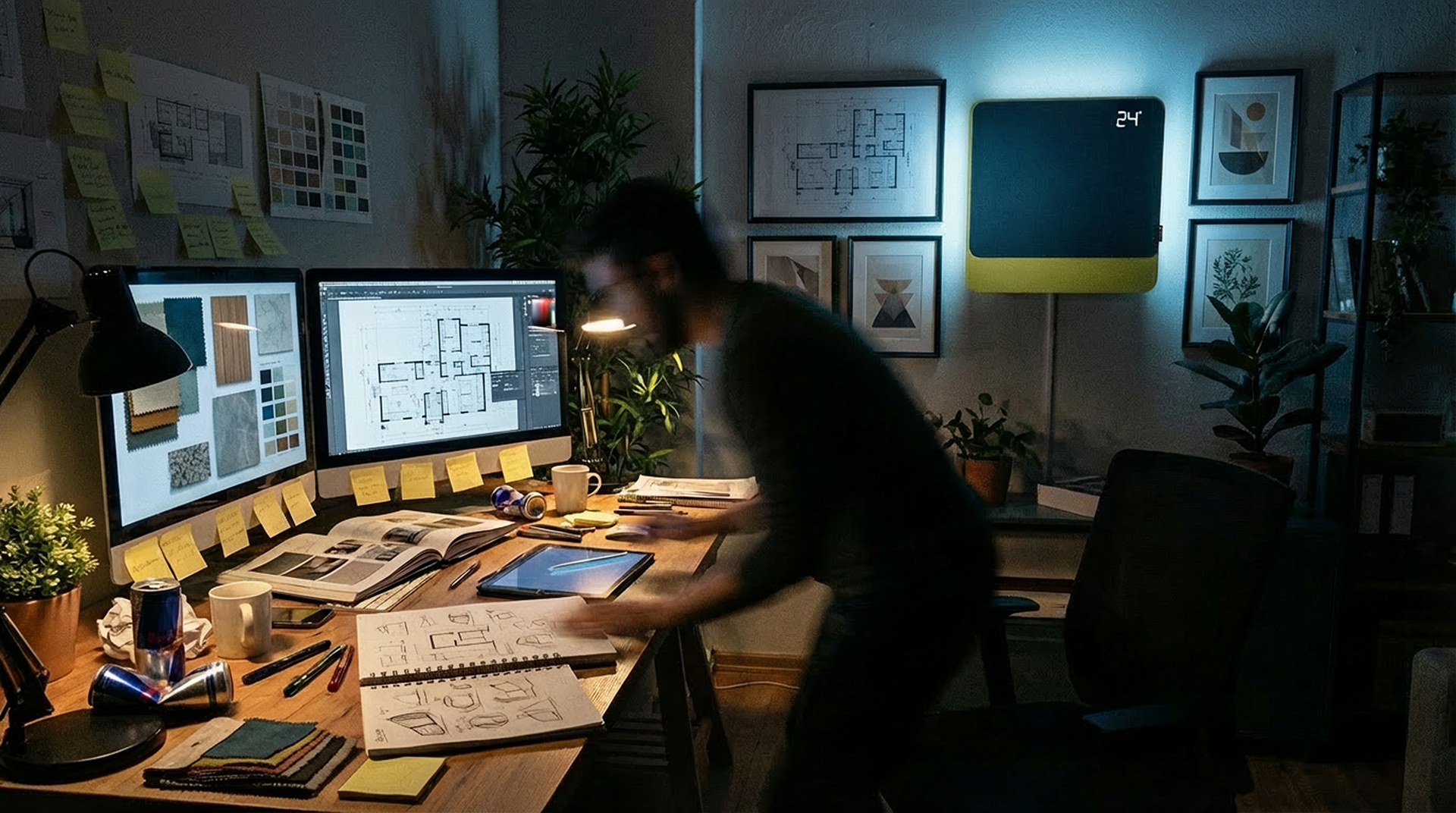
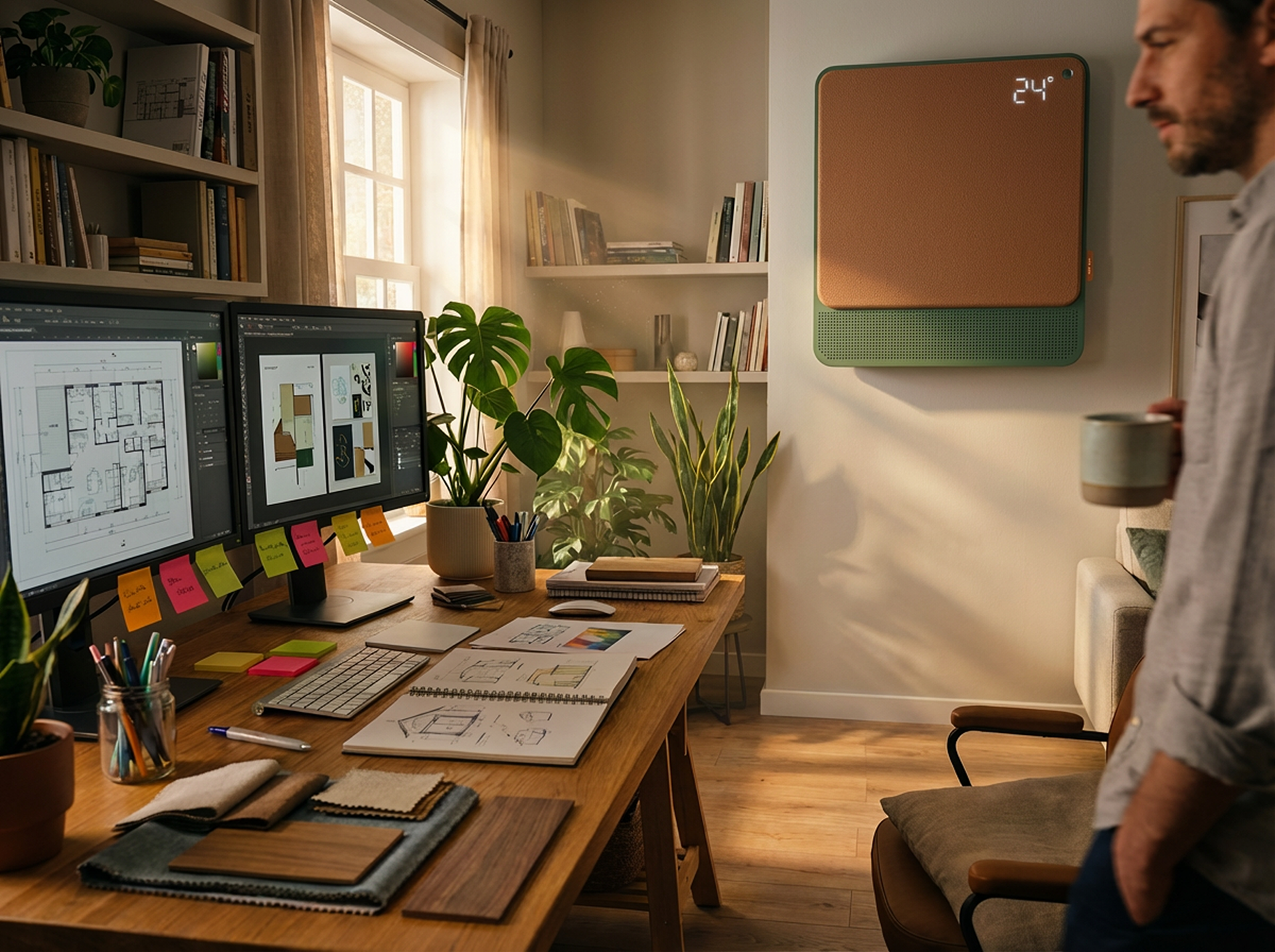
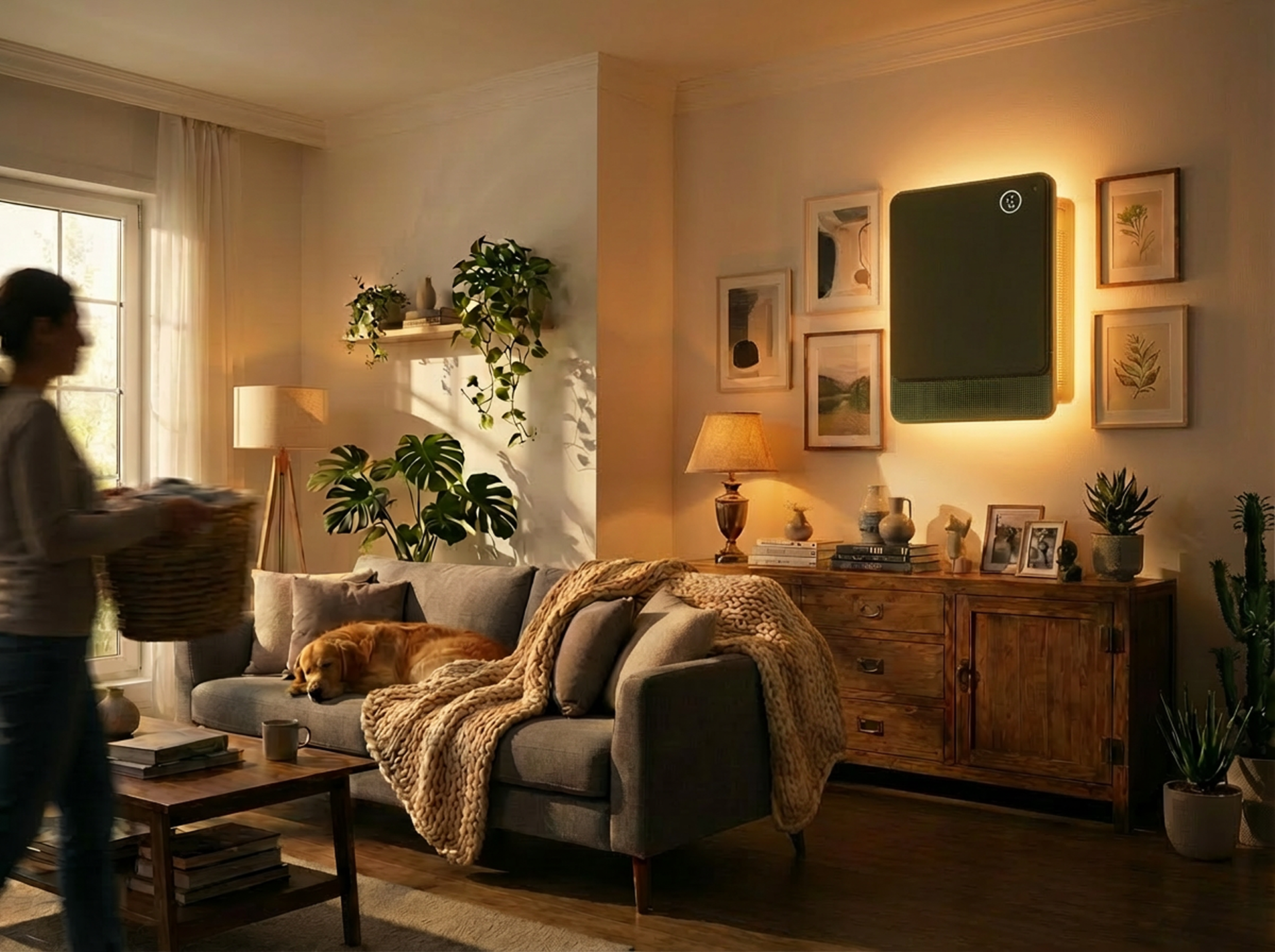
It blends into the home quietly. Mounted high on the wall, WellFlow feels more like a calm architectural light than a machine. Its soft backlight responds to the moment; dimming at night, warming in the morning, guiding your breathing when you need to slow down, and even helping babies fall asleep without stimulation. Instead of adding another gadget to the room, it becomes part of the atmosphere, supporting sleep, focus, relaxation, and social moments in the background
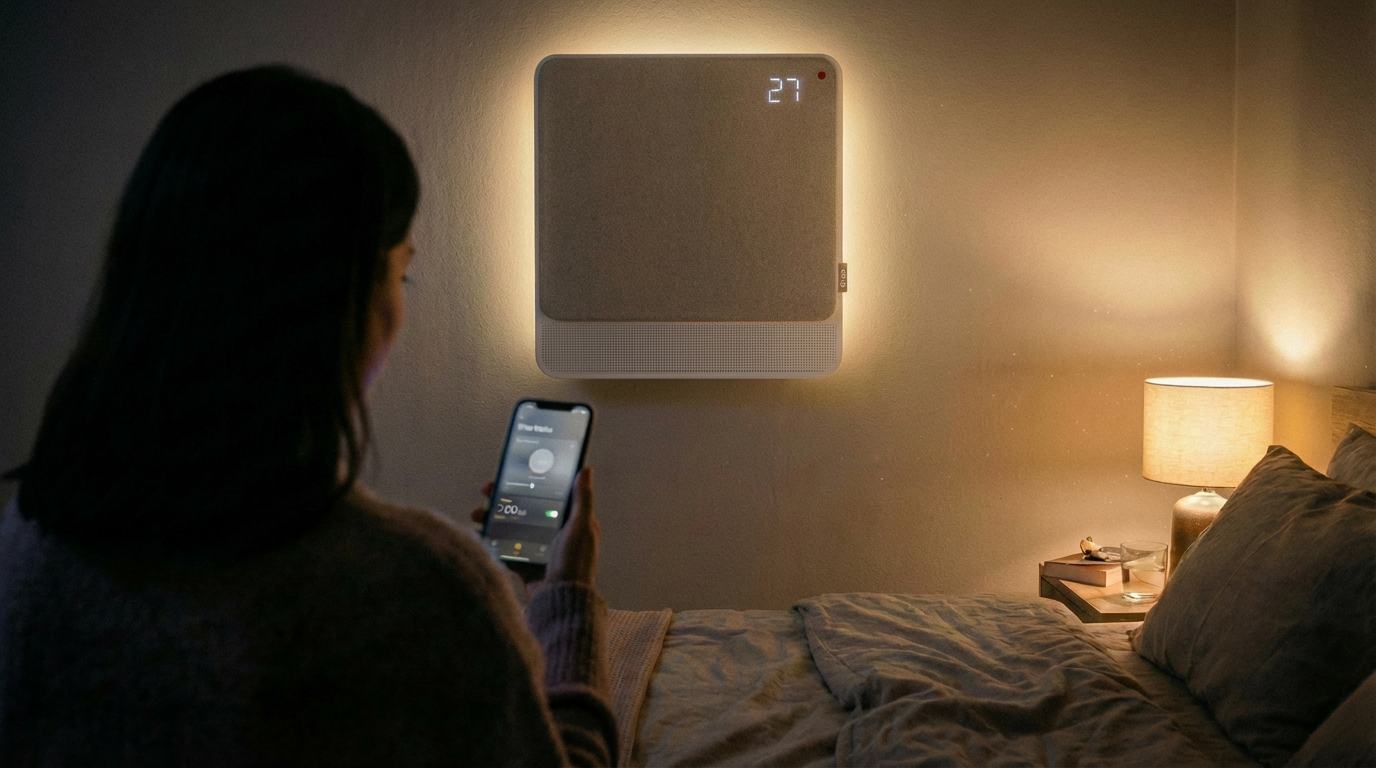
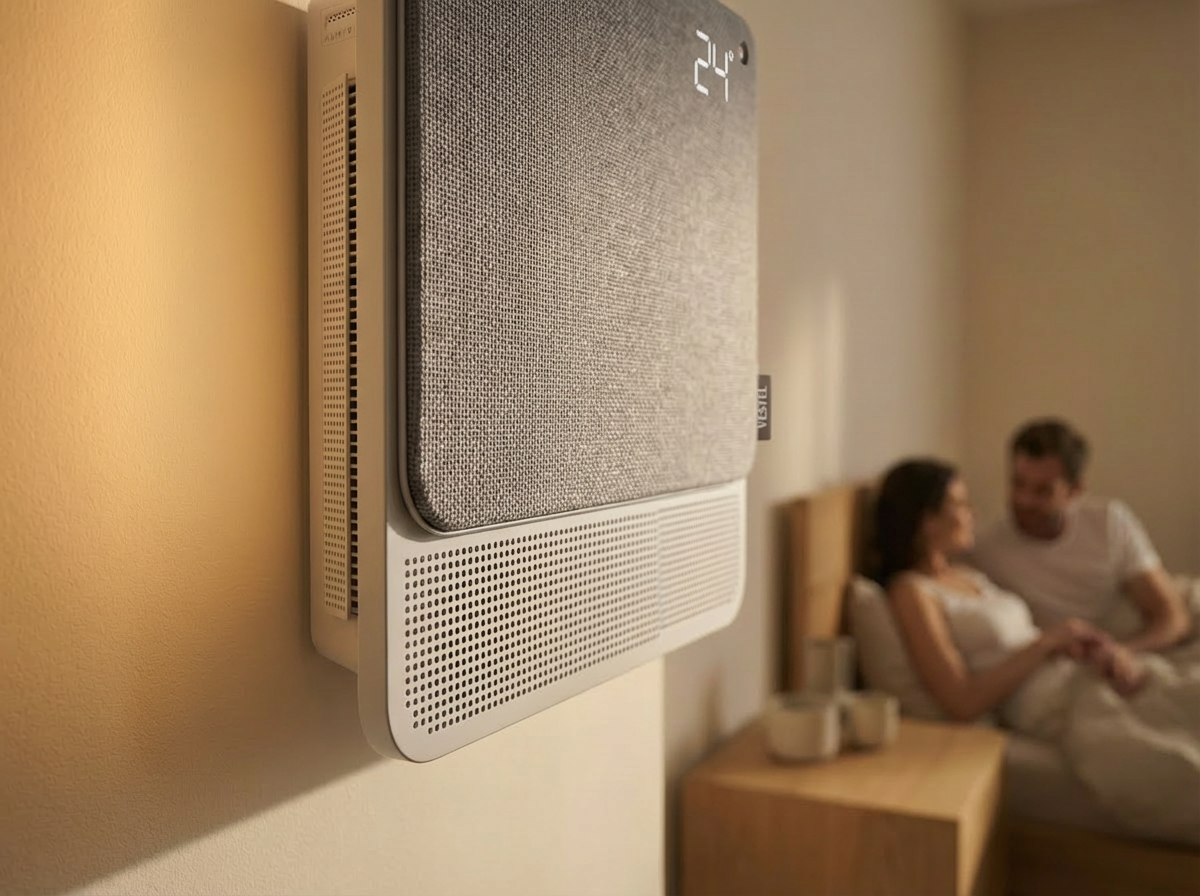
The product is intuitive because it respects real user behavior. People don’t want to control dozens of settings. They want reassurance that the air is healthy, the room feels right, and the device won’t disturb them. WellFlow senses what matters (temperature, humidity, air quality, and daily rhythm) then adjusts itself. When the user wants more control, the interface stays simple: choose a sound, set a light, or pick a mode. Everything else happens automatically.
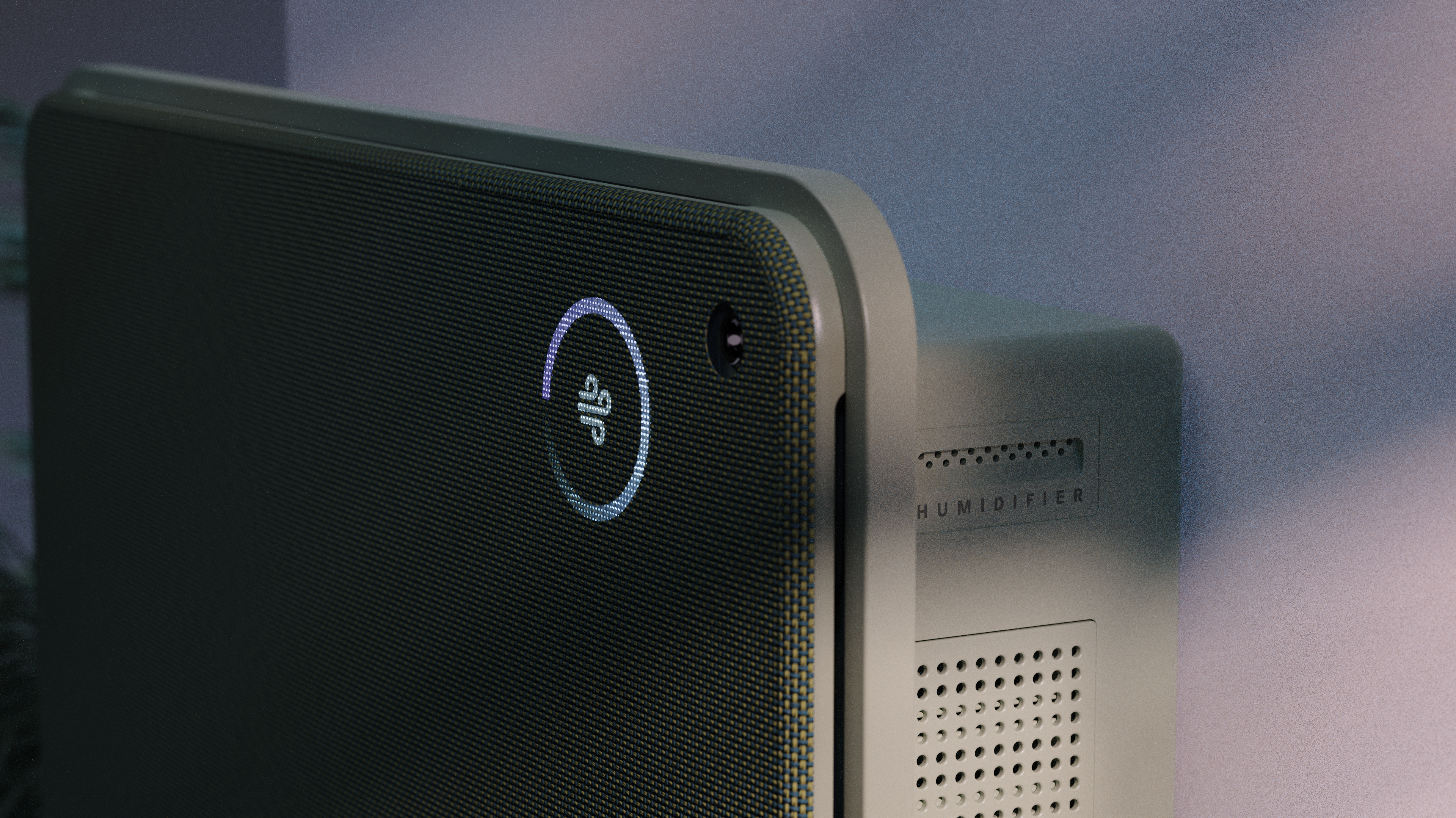
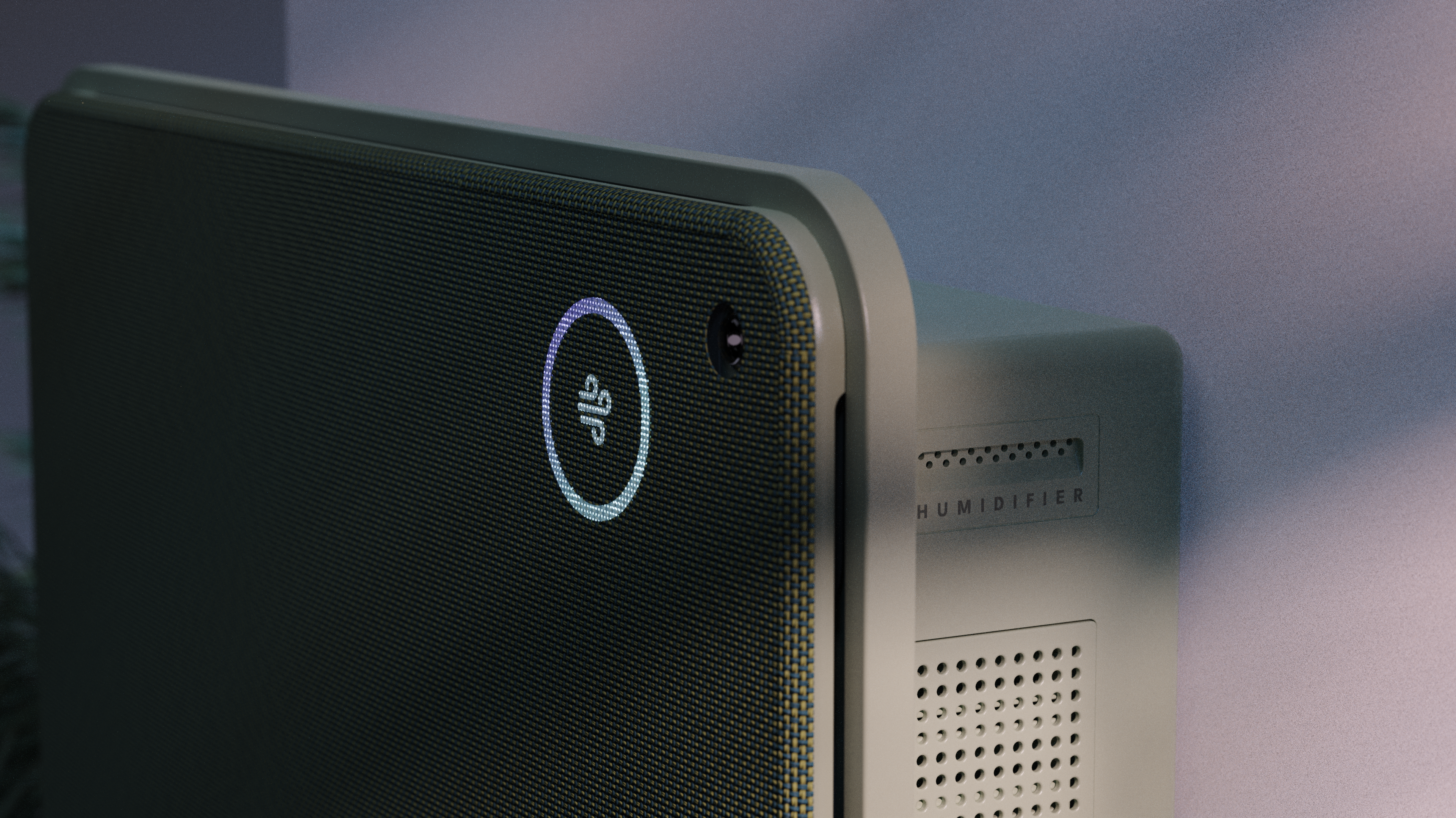
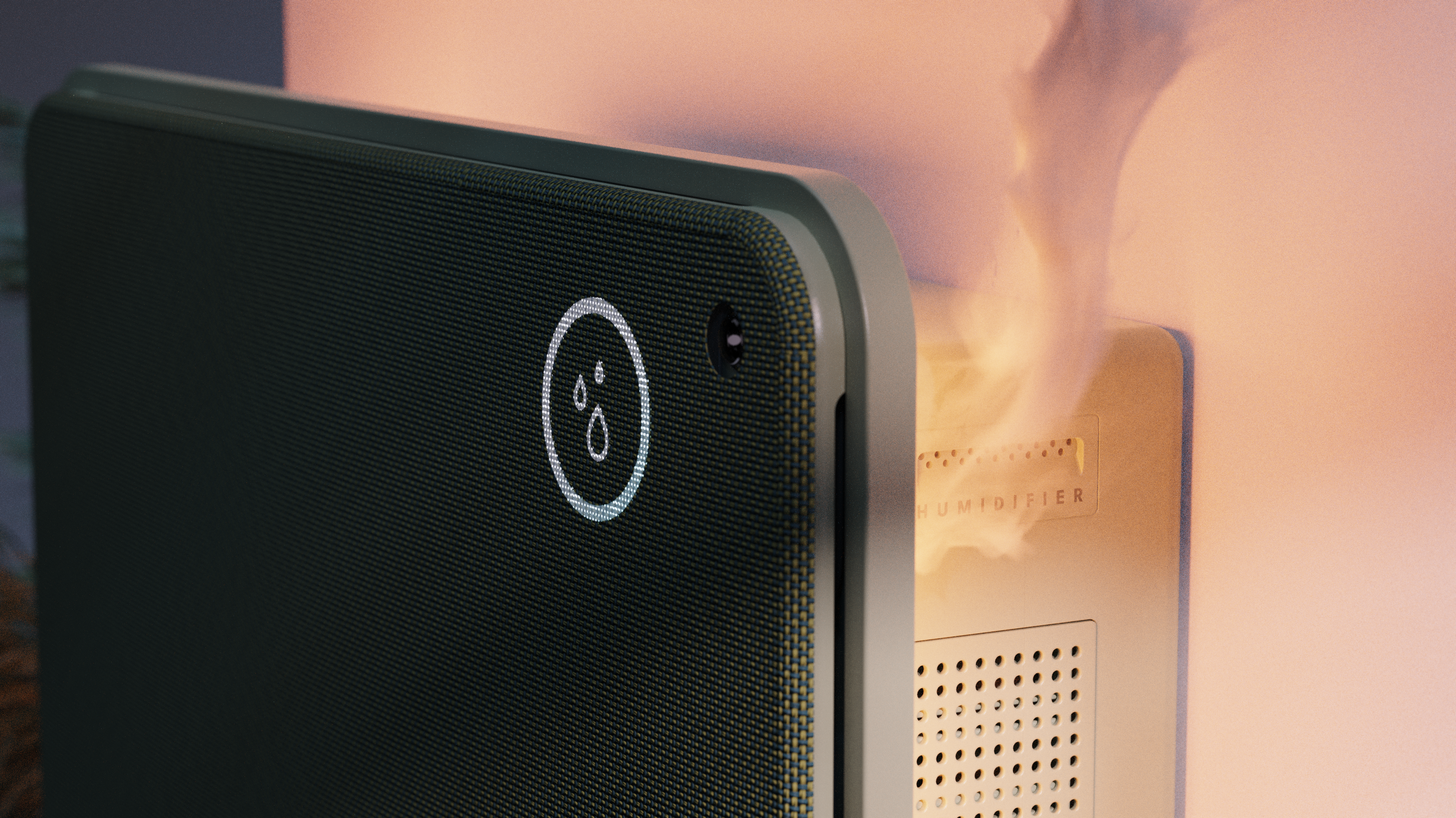
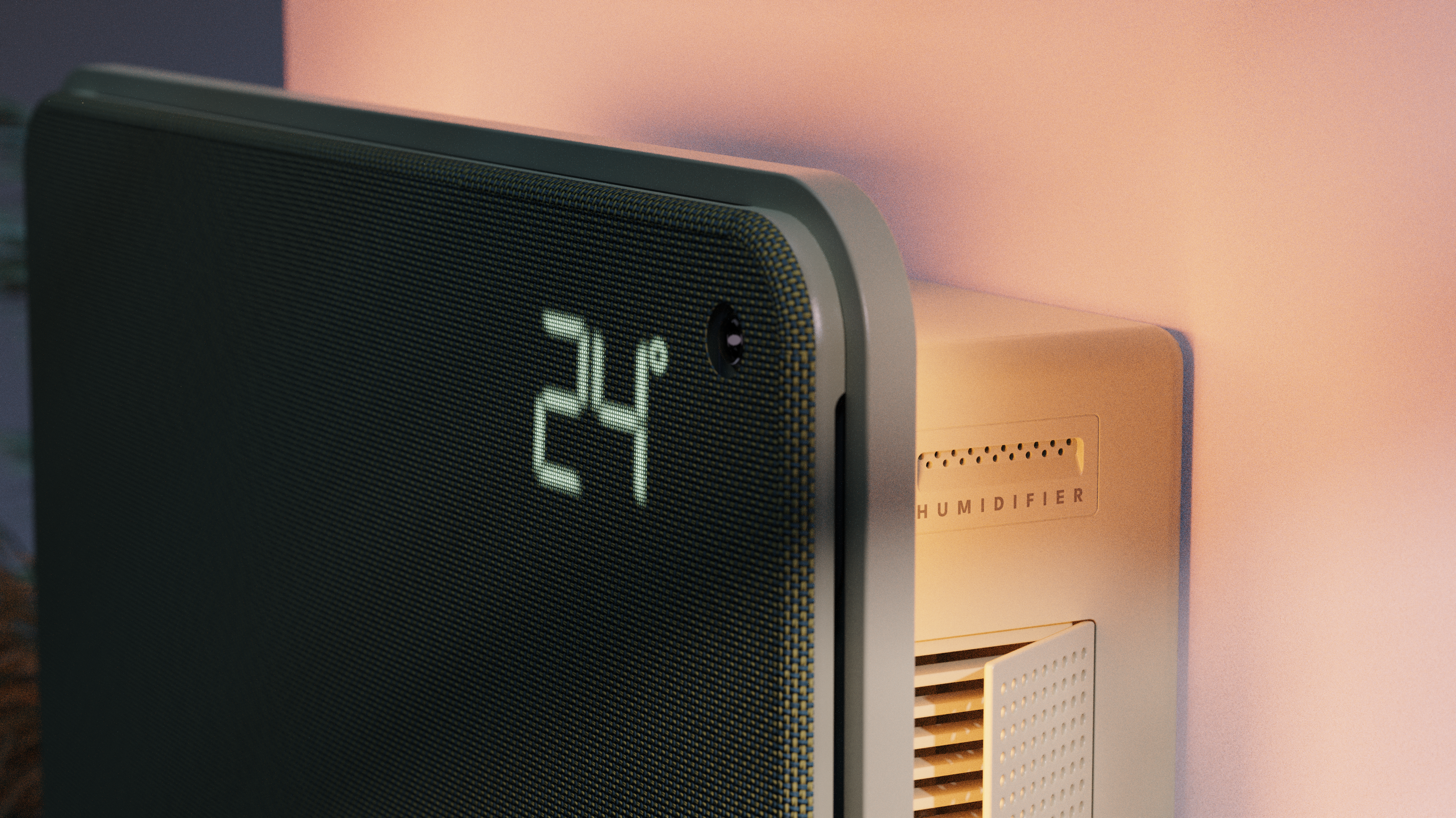
WellFlow was shaped by real problems gathered from real people. Parents worried about dry air irritating their babies. Elderly users avoided nighttime cooling because the airflow felt harsh. People with allergies felt uncertain about the air quality. These scenarios shaped the product’s behavior, the interface, and even the form.
It supports your breathing, your sleep cycles, your work sessions, and the small rituals that define your day. You don’t have to adapt to the product — it adapts to you.
WellFlow doesn’t try to be noticed. Instead, it quietly improves life, moment by moment at work, at sleep, and with the ones you love
It supports your breathing, your sleep cycles, your work sessions, and the small rituals that define your day. You don’t have to adapt to the product — it adapts to you.
WellFlow doesn’t try to be noticed. Instead, it quietly improves life, moment by moment at work, at sleep, and with the ones you love
Prototyping
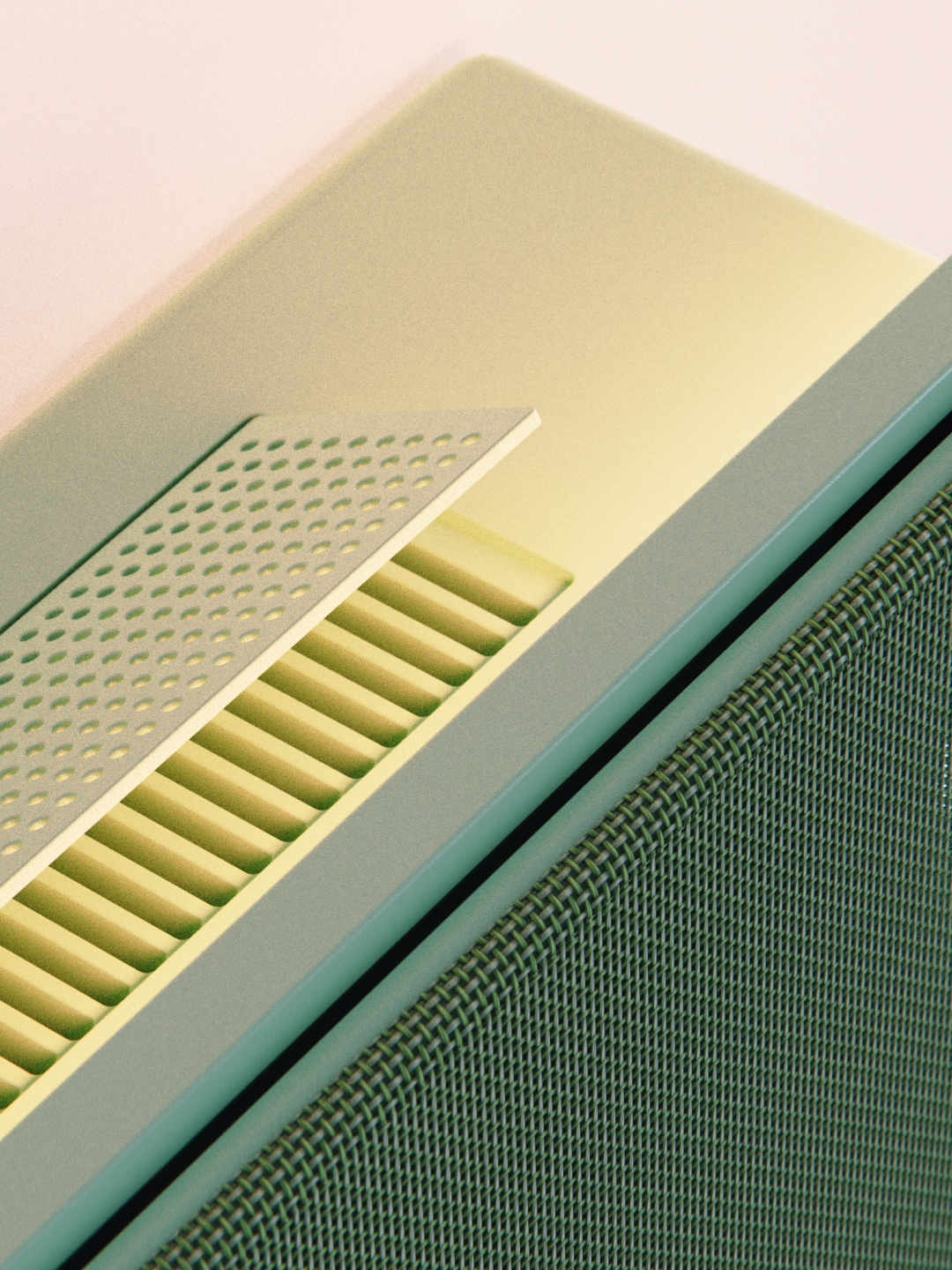
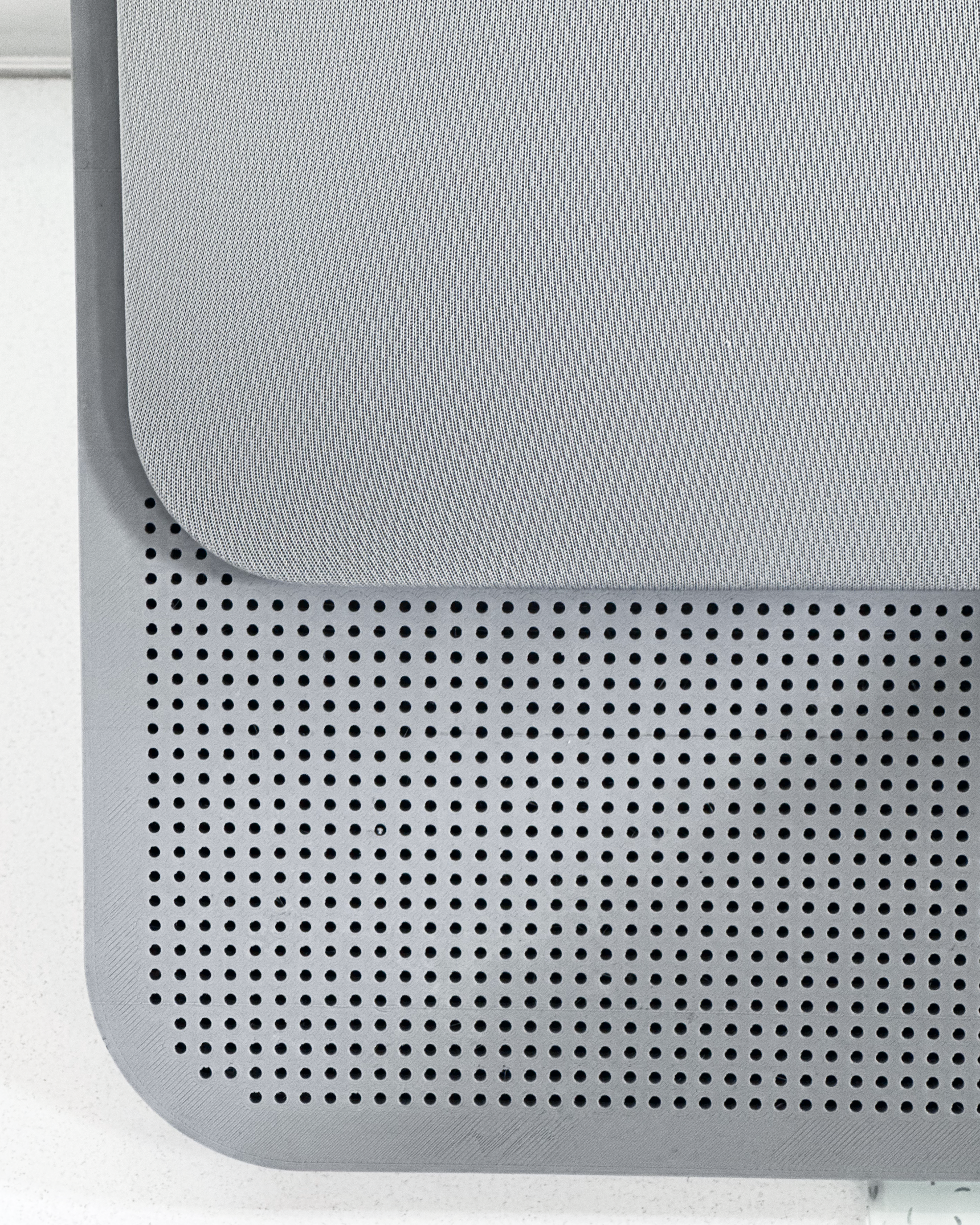
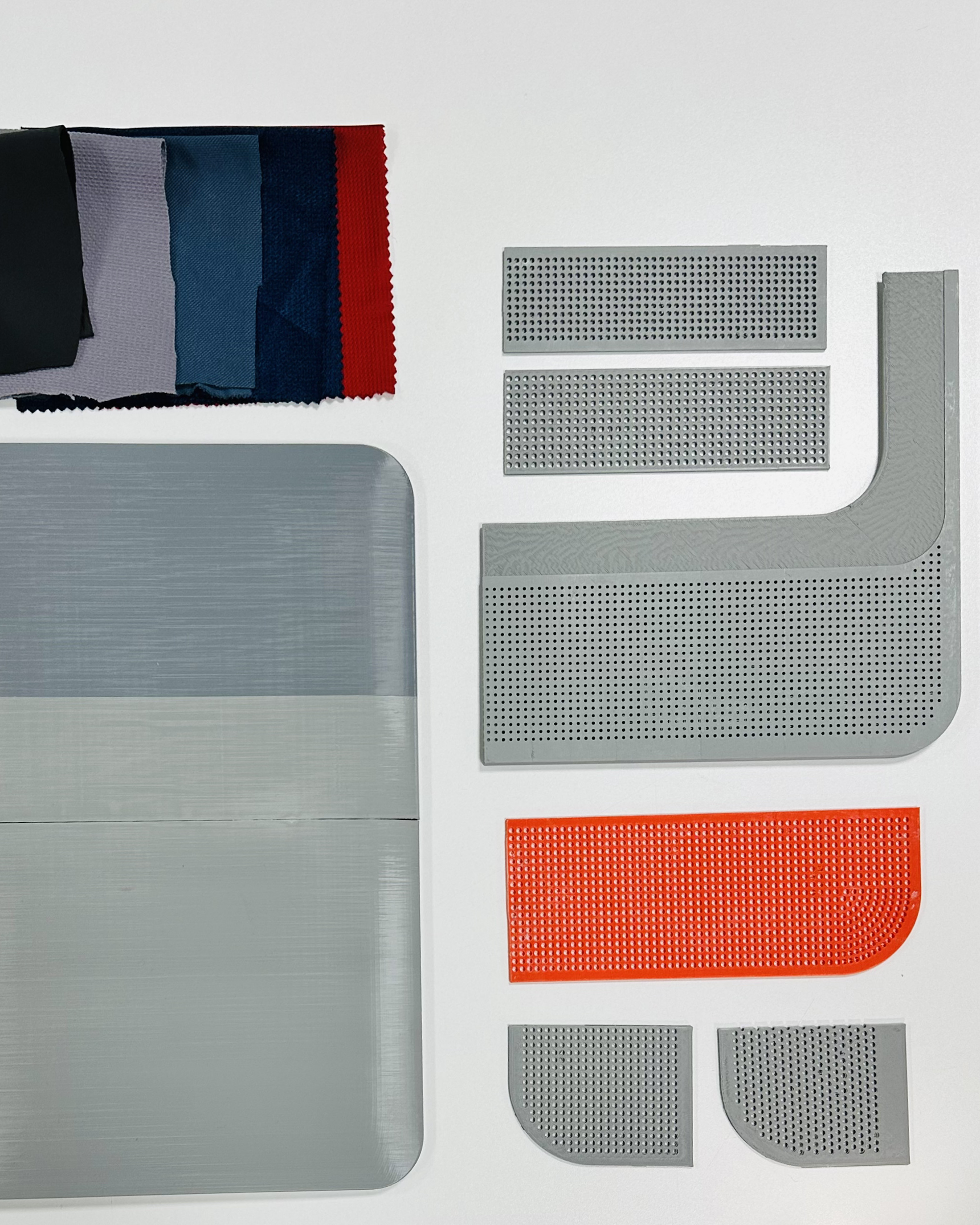
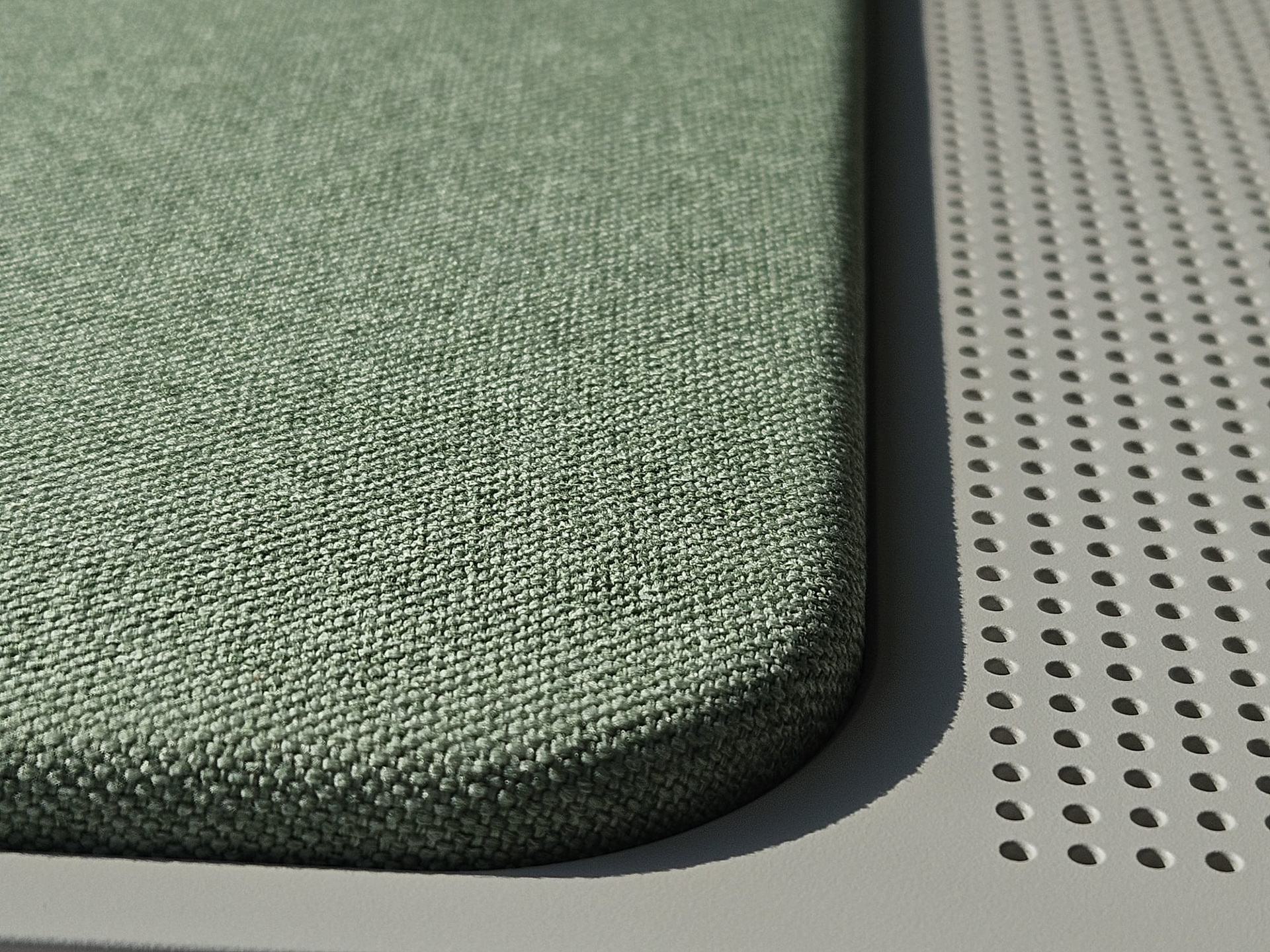
As the design direction matured, we moved into a focused prototyping phase to validate both the aesthetic qualities and the functional behavior of WellFlow. The product needed to blend seamlessly into different interiors, so the front cover, its textile options, and the surface patterns were intentionally kept subtle and non-intrusive. We explored multiple pattern densities, light diffusion levels, and material finishes to make sure the device could adapt to a wide range of home styles without calling attention to itself. Throughout the process, we built a series of low-fidelity and high-fidelity prototypes, some for testing airflow and light behavior, others for evaluating form, texture, and how the device harmonizes with real interior settings. Each iteration helped us refine how WellFlow feels on the wall, how softly it communicates information, and how it can support personalization without compromising its calm, architectural presence.


IFA 2025
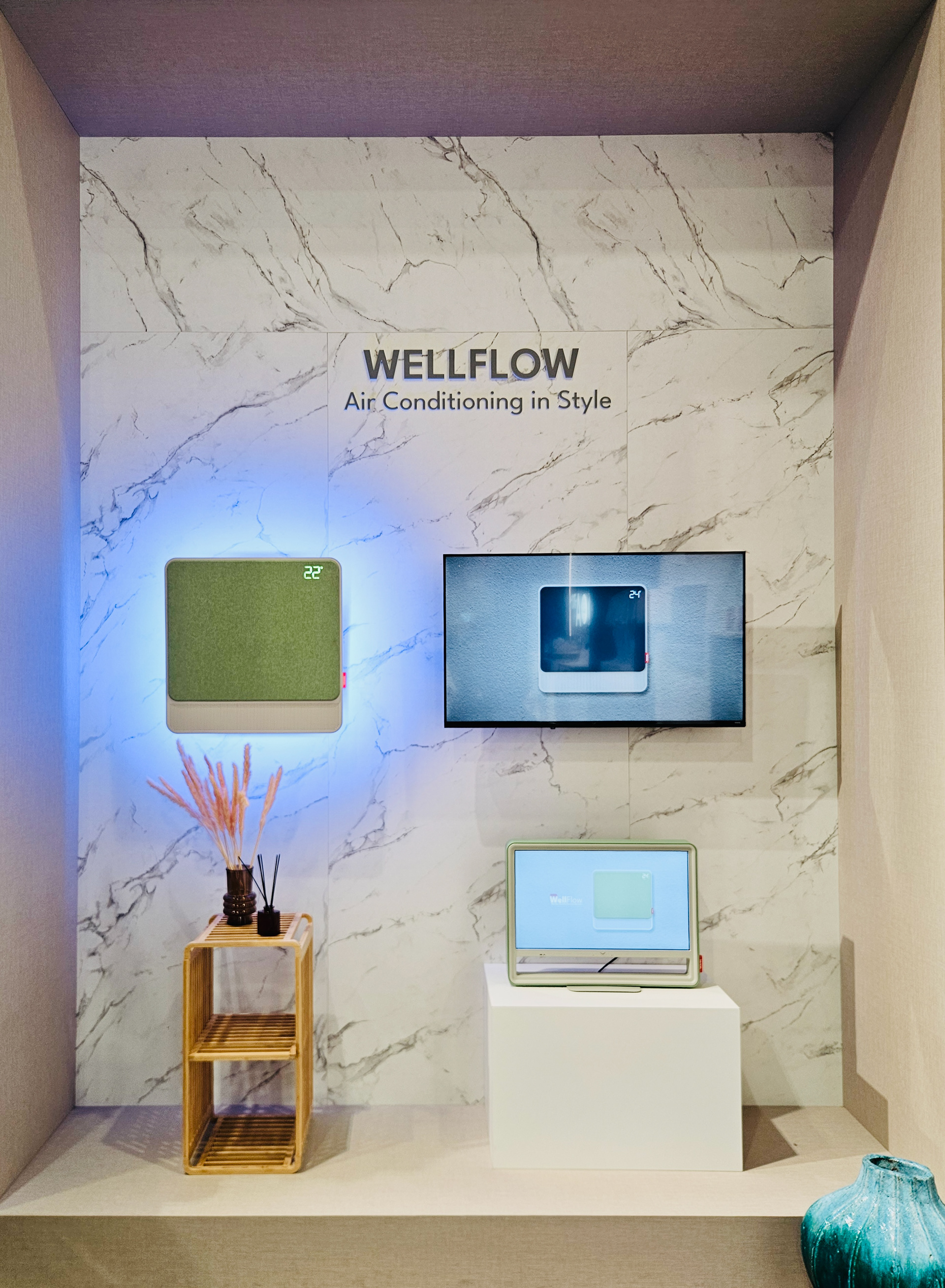
WellFlow was first revealed at IFA 2025 at the Vestel stand, introduced as part of the company’s new vision for wellness-oriented home technologies.
IFA, being one of the world’s largest consumer electronics and home appliances fairs, provided the ideal stage for presenting the product to an international audience. The launch focused on demonstrating how WellFlow moves beyond traditional cooling by integrating adaptive airflow, humidity balance, purification, and ambient lighting into a single interior-friendly object.
IFA, being one of the world’s largest consumer electronics and home appliances fairs, provided the ideal stage for presenting the product to an international audience. The launch focused on demonstrating how WellFlow moves beyond traditional cooling by integrating adaptive airflow, humidity balance, purification, and ambient lighting into a single interior-friendly object.
The exhibition marked the first time visitors could see the product’s physical form and interaction models. The reveal positioned WellFlow not just as another air appliance, but as a new category of wellness device designed for everyday life.